


 Eugene Cannabis Education · Since 2014
The Green Health Blog — Cannabis Education, Strain Guides & Eugene Community News
Welcome to the Green Health Blog — your go-to resource for cannabis education, product guides, and local news from Eugene, Oregon. We write for everyone: locals from Bethel-Danebo, Santa Clara, and River Road who want to stay up to date on what’s new at our dispensary, travelers landing at Eugene Airport who want to understand Oregon’s cannabis laws, and commuters along Highway 99 looking for deals on their way through town.
Learn About Cannabis in Oregon
Oregon’s cannabis scene is always evolving — new genetics, updated regulations, and more product options than ever before. Our blog breaks it down in plain language so you can shop with confidence. You’ll find beginner-friendly guides covering how to choose the right strain, the differences between flower, edibles, and concentrates, and what to expect from each cannabinoid family.
Whether you’re brand new to cannabis or you’ve been a consumer for years, our education posts are built to help you get more out of every purchase.
Why Cannabinoids Matter — The Big Picture
CBD, CBG, CBN, THC, THCV — how each cannabinoid works, what they do differently, and why product labels are getting more sophisticated.
Read More →CBN — The Sleep Cannabinoid Explained
What CBN is, how it forms, why it's becoming the 2026 standard for nightly recovery, and the products on our shelf that lean into it.
Read More →CBG — The Daytime Cannabinoid
CBG is the precursor to most other cannabinoids. What it does, how it differs from CBD and CBN, and the focus-leaning daytime use case.
Read More →CBD — What It Does and Doesn't Do
CBD basics: what it is, what it actually does for most people, why it's not psychoactive in the traditional sense, and the CBD products at Green Health.
Read More →Solvent vs Solventless Concentrates
Live resin vs live rosin, BHO vs hash rosin, why solventless commands premium prices, and how to choose based on your priorities.
Read More →Cannabis Tinctures — Dosing & Use Guide
Sublingual vs swallowed, microdose to standard dose, how tinctures compare to edibles, and the brands we carry at Green Health.
Read More →Oregon Cannabis Law & OMMP Resources
Whether you’re visiting Eugene from out of state, holding an OMMP card, or just trying to make sense of OLCC purchase limits, our legal coverage breaks Oregon cannabis law into plain language. RSO and FECO guidance, Schedule III rescheduling news, daily and monthly limits, and the medical card process — all reviewed and kept current.
RSO vs FECO: Differences, Uses & Which Is Right for You
The complete guide to Rick Simpson Oil and Full Extract Cannabis Oil — what they are, how they're made, dosing, and what we recommend at the counter.
Read the Full Guide →Cannabis Schedule III — What It Means for Oregon Patients
The DEA's reclassification proposal and what it could change for OMMP cardholders, dispensary tax structures, and medical access in Oregon.
Read More →OLCC Cannabis Purchase Limits 2026
How much cannabis can you legally buy in Oregon? Recreational vs medical limits, daily and monthly caps, and how OLCC tracks it.
Read More →Eugene OMMP Card Guide 2026
Step-by-step guide to getting your Oregon Medical Marijuana Program card in Eugene — eligibility, doctors, costs, timeline, and what changes after.
Read More →Strain Spotlights & Product Features
Wondering what’s on the menu before you visit our Eugene dispensary? Our strain spotlights and product features highlight what’s fresh, what our staff is excited about, and what’s trending with our customers. We cover featured strains from trusted Oregon cultivators, new edible and concentrate drops, staff picks across every category, and how to make the most of our rotating daily deals. Think of it as a preview of what’s waiting for you at 607 Highway 99 North.
Cap Junky — Sativa or Indica? Effects & Profile
Heavy-hitting hybrid from Fenario Farms. Terpene profile, effects, what we observe at the counter, and how it compares to other Cap Junky phenos.
Read More →True Glue from Tao Gardens — Strain Review
Eugene-favorite indica from Tao Gardens. Sticky, gas-forward, deeply relaxing. Effects, terpenes, and our budtender notes from the shop.
Read More →Velvet Glove — Herbal Dynamics
Smooth indica-leaning hybrid. Terpene profile, expected effects, and why it's a regular in our rotation from Herbal Dynamics.
Read More →Ice Cream Cake — Herbal Dynamics
Classic dessert-forward indica. Sweet, creamy, sedating — the kind of strain customers buy on Friday and finish by Sunday.
Read More →Malibu Marker — Strain Profile
Bright, citrus-forward sativa-leaning hybrid. Effects profile, terpenes, and where it sits in our flower lineup.
Read More →
Strain Spotlight: Soul Train by Eugreen Farms (31.91% THC)
Soul Train — (Candy Rain × Jealousy) × White Truffle by Eugreen Farms. Living soil grown in Eugene, OR. Testing at 31.91% THC. Available now at Green Health Eugene on Highway 99.

Soul Train by Eugreen Farms (Candy Rain × Jealousy) × White Truffle
Soul Train is the kind of jar that earns its spot on the top shelf without saying a word—crack the lid and the nose does all the talking. This latest batch from Eugreen Farms is a dense, dark-purple, resin-drenched cut that tests at 31.91% THC and delivers the heavy, full-bodied experience that Eugreen has built its reputation on. If you've been searching for a loud, terp-saturated indica-leaning hybrid at our Highway 99 dispensary in Eugene, Soul Train just pulled into the station.
Genetics & Lineage
Soul Train is a cross of (Candy Rain × Jealousy) × White Truffle, bred by Shaggy Roots in collaboration with Tiki Madman, and brought to life through Eugreen Farms' meticulous living-soil cultivation right here in Eugene, Oregon.
Here's what's behind the curtain:
White Truffle — a Gorilla Butter F2 phenotype (Peanut Butter Breath × Gorilla Glue #4). Known for thick resin production, earthy-garlic funk, and heavy indica-leaning effects.
Jealousy — bred by Seed Junky Genetics (Gelato #41 × Sherbet). Brings creamy gelato sweetness, dense trichome coverage, and a euphoric onset.
Candy Rain — a Cookies Fam cross of Gelato × London Pound Cake. Adds rich dessert-forward flavor and deep body relaxation.
The result is a cultivar stacked with elite dessert and gas genetics that leans firmly into the relaxing end of the spectrum. This is heritage-level breeding expressed through one of Oregon's most respected living-soil programs.
Aroma & Flavor
Soul Train is not a quiet strain. Open the jar and the room fills with a complex, layered nose that keeps unfolding:
Dark, wet earth and rich soil — the living-soil terroir comes through immediately
Black pepper and spice — subtle heat from the White Truffle parentage
Creamy sweetness and honey — the Jealousy and Candy Rain genetics smoothing out the funk
Gas and chem undertones — that classic Gorilla Glue backbone rumbling underneath
On the palate, expect a dense, full-flavored smoke with notes of dark earth, sweet cream, and peppery fuel. The burn is clean, the ash is white, and the flavor lingers well past the exhale. Eugreen's obsessive dry-and-cure process is on full display here—this flower smokes exactly as good as it smells.
Effects & Experience
Soul Train hits heavy and fast. Customers reaching for this jar should know what they're getting into—this is a 31.91% THC batch built for experienced consumers who want real depth and intensity.
Immediate onset — a rush of heady euphoria that settles in behind the eyes within the first few minutes
Full-body relaxation — deep, melting calm that progressively builds; think "clear the evening" territory
Long-lasting — this is not a quick 20-minute ride; many customers describe effects that carry well into the night
Mood reset — the kind of strain that cuts through the noise of a long day and resets the vibe entirely
Most people describe Soul Train as a dedicated evening or weekend strain. Pair it with a low-key night, comfortable seating, and snacks within arm's reach. Effects vary by person and tolerance—start with a small amount and let it build.
Why We Brought It In
We're selective about what makes it onto the Green Health Eugene flower wall, and this Soul Train batch checked every box:
True-to-lineage (Candy Rain × Jealousy) × White Truffle genetics
Grown in living soil by Eugreen Farms, a Eugene-based craft cultivator with one of the most consistent reputations in Oregon
Deep purple, ultra-dense bud structure coated in mature trichomes
Loud, complex nose that opens up in waves
Tested at 31.91% THC with the kind of terp depth that makes potency feel earned, not empty
Eugreen owner Justin Howard has talked about the intention behind bringing Soul Train into their garden—the White Truffle terps and flavor were the starting point, and the Jealousy cross caught their eye for the complementary genetics. The result speaks for itself.
How to Find It
Format: Premium indoor living-soil flower
Where: Green Health Eugene — 607 Highway 99 N, Eugene, OR 97402
If you're looking for a "dispensary near me" along the Highway 99 corridor in West Eugene, look for Soul Train by Eugreen Farms on our Live Menu. Inventory rotates regularly, so check the menu or call ahead before making a special trip. We're minutes from the Eugene Airport and an easy stop for anyone in Bethel-Danebo, Santa Clara, River Road, or North Eugene.
FAQ
What is Soul Train by Eugreen Farms? Soul Train is a potent indica-leaning hybrid bred from (Candy Rain × Jealousy) × White Truffle. This batch is living-soil grown by Eugreen Farms in Eugene, Oregon, and hand-selected for top-shelf bag appeal, layered earth-and-cream terps, and heavy relaxing effects.
Is Soul Train an indica or sativa? Soul Train is generally considered an indica-leaning hybrid. Customers describe it as deeply relaxing with strong full-body effects and a euphoric headspace. Effects vary from person to person—start low and go slow.
How strong is this Soul Train batch? This Eugreen Farms batch tested at 31.91% THC, making it one of the heavier hitters on our flower wall. High-THC products are best suited for experienced consumers comfortable with intense effects.
What does Soul Train smell and taste like? Dark wet earth, black pepper, creamy sweetness, honey, and gas/chem undertones. On the palate it's rich, full-bodied, and clean-burning with a peppery-sweet finish that lingers.
Where can I buy Soul Train near me in Eugene? You can find Soul Train by Eugreen Farms at Green Health Eugene, your Highway 99 Eugene dispensary near the airport. We're at 607 Highway 99 N, Eugene, OR 97402. Check our Live Menu to see if Soul Train is currently in stock.
Is Soul Train good for beginners? Because this batch tests above 31% THC, we recommend it for experienced consumers. If you're newer to cannabis or prefer lighter effects, ask our budtenders to help find something more beginner-friendly.
Want more strain spotlights? Browse our blog or check out our Eugreen Farms brand page to see what else we're carrying from one of Eugene's best craft growers.
Green Health Eugene — 607 Highway 99 N, Eugene, OR 97402 — Open Daily 9 AM–9 PM

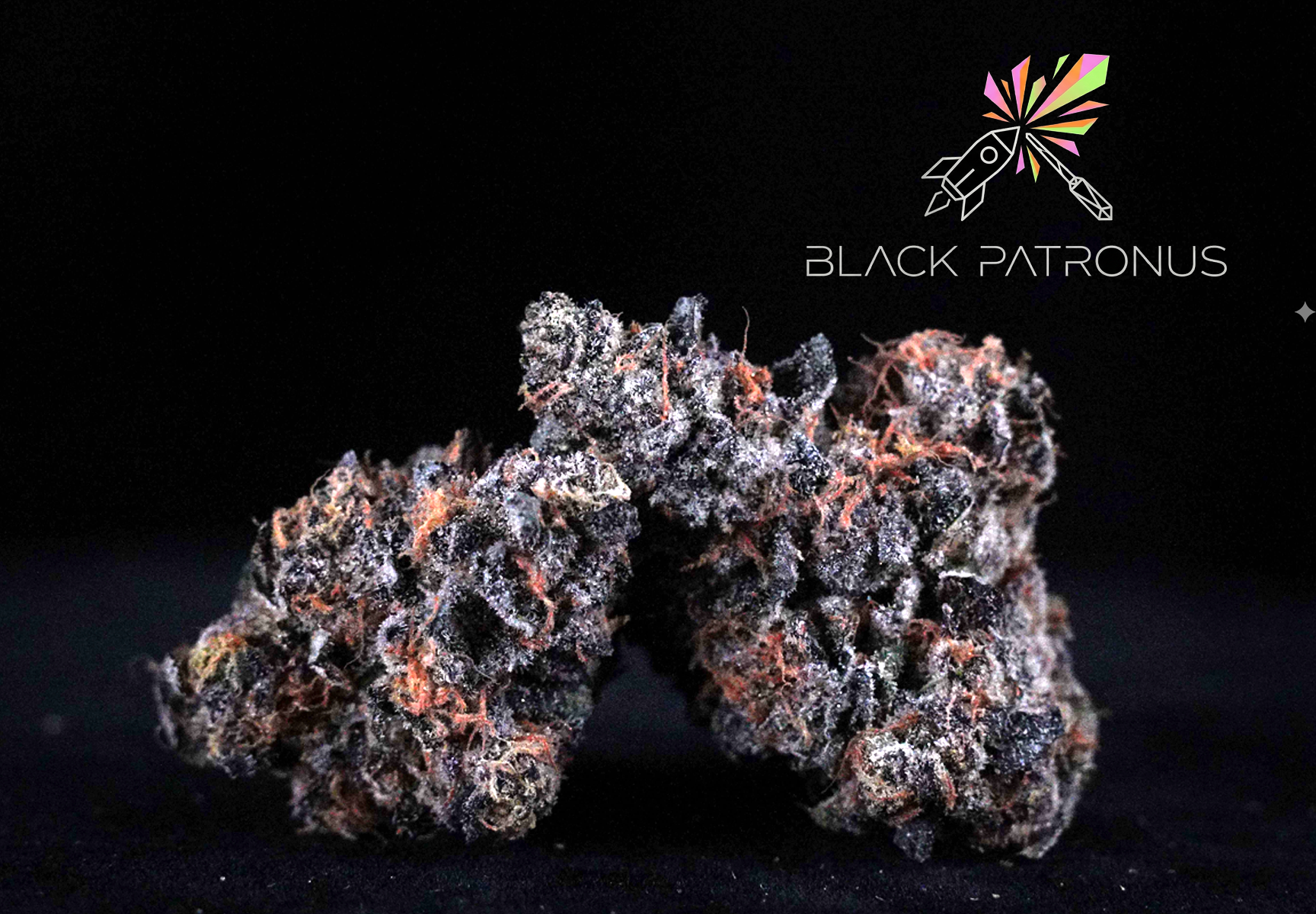
Strain Spotlight: Black Patronus by Eugreen Farms (30.81% THC) | Green Health
Close up of Black Patronus cannabis flower by Eugreen Farms at Green Health Eugene.
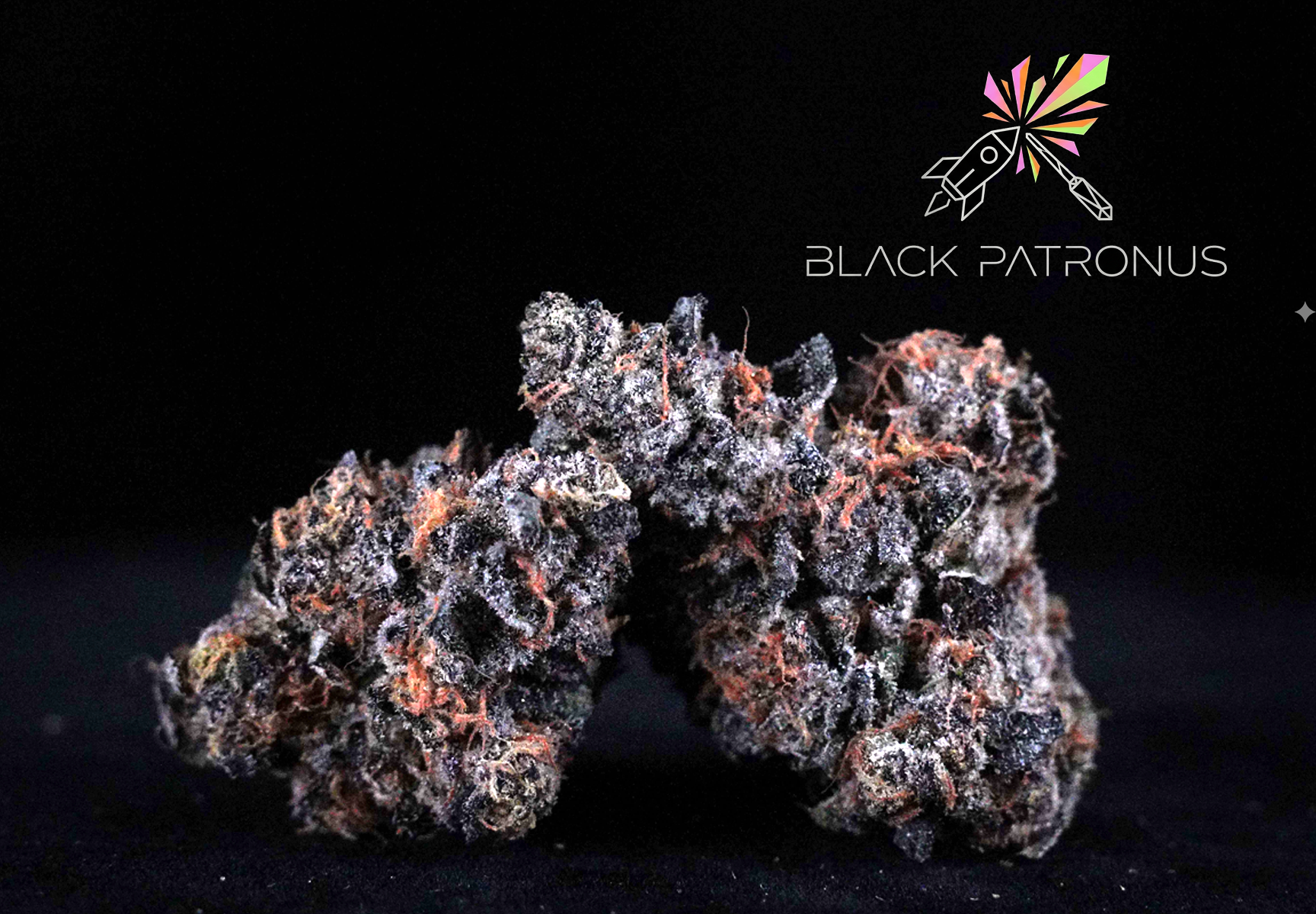
Close up of Black Patronus (rs-11 x Falcon 9) cannabis flower by Eugreen Farms with deep purple buds, available at Green Health Eugene.
Strain Spotlight: The Magic of Black Patronus by Eugreen Farms
Pictured: The deep purple hues of Black Patronus by Eugreen Farms.
If you’ve been hunting for a high-potency flower that doesn’t sacrifice flavor for strength, your search ends at Green Health Eugene. Located right here in the Four Corners area at 607 Highway 99 N, we are proud to drop a fresh batch of Black Patronus from the legendary cultivators at Eugreen Farms.
Testing at a staggering 30.81% THC, this isn't just another shelf-flower; it's a craft cannabis experience rooted in sustainable farming and top-tier genetics.
Brand Profile: Eugreen Farms
Flavor Over Everything
Before we dive into the strain, we have to talk about the growers. Eugreen Farms is a staple in the Oregon cannabis community, renowned for their motto: "Flavor Over Everything."
They are one of the few commercial growers in the state utilizing No-Till Living Soil practices.
What does this mean for you? Instead of feeding the plant synthetic salt nutrients, they feed the soil with organic matter and beneficial microbes.
The Result: A more robust terpene profile, smoother smoke, and a cleaner ash. When you buy Eugreen at Green Health, you are supporting sustainable agriculture that mimics nature’s own cycle.
Strain Review: Black Patronus
Lineage: RS-11 x Falcon 9 Class: Indica-Dominant Hybrid THC: 30.81%
The Black Patronus is a visual stunner. True to its name, the buds are often so deep purple they appear nearly black, contrasted by a frost-like coating of sugary trichomes and bright orange pistils.
The Terpene Profile
This batch is heavy on the "gas" but balanced by complex sweet notes. The primary terpenes driving this 30%+ THC engine include:
Limonene: Provides a sharp citrus kick that uplifts the mood.
Caryophyllene: Adds a spicy, peppery undertone that may help with inflammation.
Myrcene: The "couch-lock" terpene that gives this strain its deeply relaxing body effects.
Aroma & Effects
Cracking the jar releases a potent mix of fuel, pine, and fermented fruit. On the exhale, expect a smooth, creamy smoke with hints of anise and pepper.
Despite the high THC, the high is often described as "magical" rather than overwhelming. It starts with a euphoric head rush that melts into a heavy, comforting body buzz. It’s ideal for:
Chronic pain relief.
Decompressing after a long work week.
Deep, restorative sleep.
Local Events: January in Eugene
Planning your weekend? Swing by Green Health on Hwy 99 to pick up some Black Patronus, then head out to support our local community. Here is what is happening in Eugene this January 2026:
Eugene Symphony at the Hult Center (Jan 15): Nothing pairs better with a relaxing Indica hybrid than a night of classical music.
First Friday ArtWalk: Explore the downtown galleries. The creative euphoria from Black Patronus makes art appreciation even more immersive.
State of the City (Jan 12): Stay informed on local developments at the Hult Center.
Customer Review
Verified Purchase from Green Health Eugene
⭐⭐⭐⭐⭐ "The Best Night Cap"
"I picked this up on the recommendation of the budtender and I was blown away. The bag appeal is insane—super dark purple buds that are sticky to the touch. It smokes incredibly smooth for being over 30% THC. No coughing, just a clean gas taste. It’s my new go-to for back pain and just chilling out at the end of the night. Green Health always has the fire! Thanks for the rec." — Anon. Customer
Shop Green Health Eugene
Ready to experience the magic? We have Black Patronus available now in various weights.
Price Range: $17.00 – $357.00 (Gram to Ounce) Location: 607 Highway 99 North, Eugene, OR



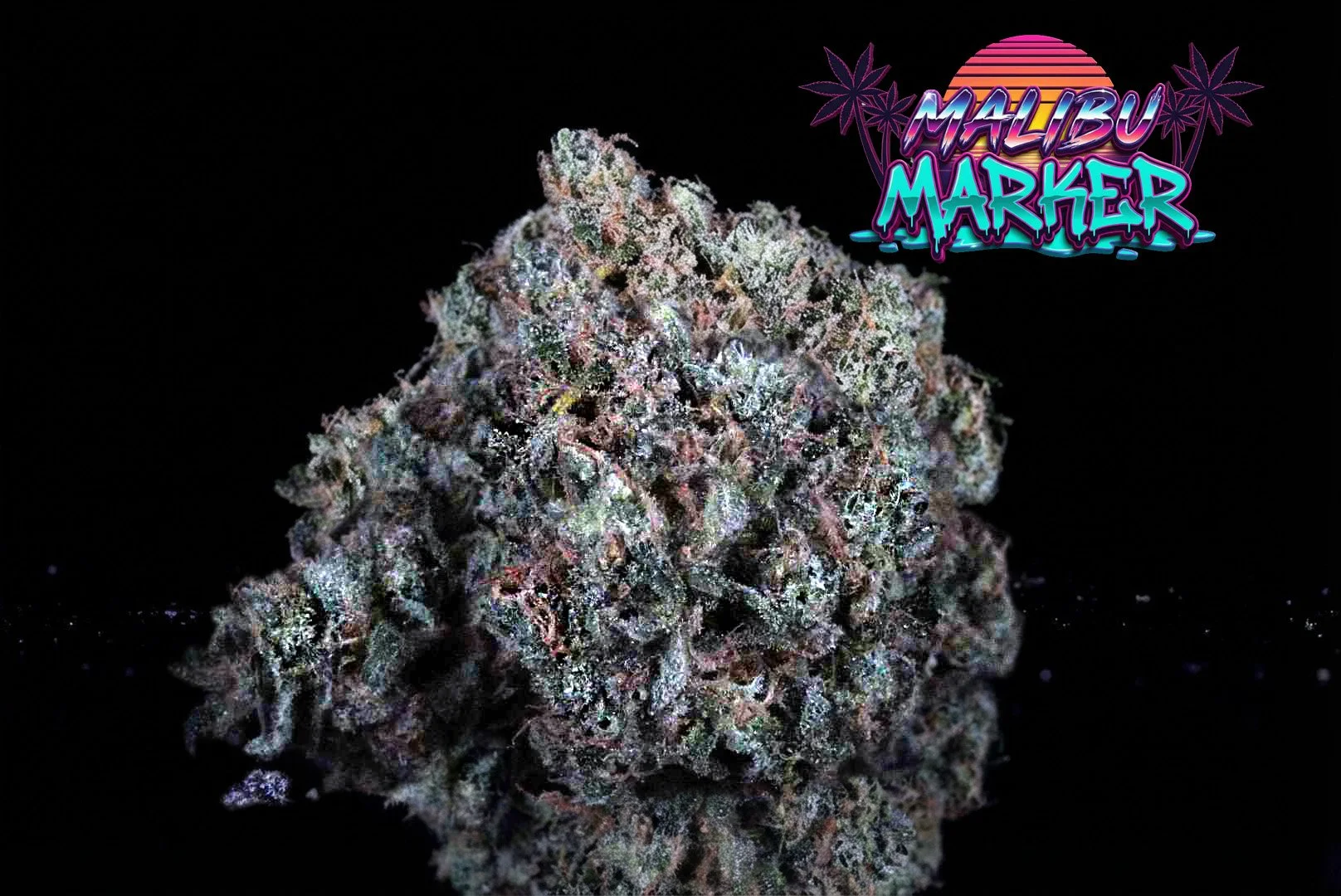
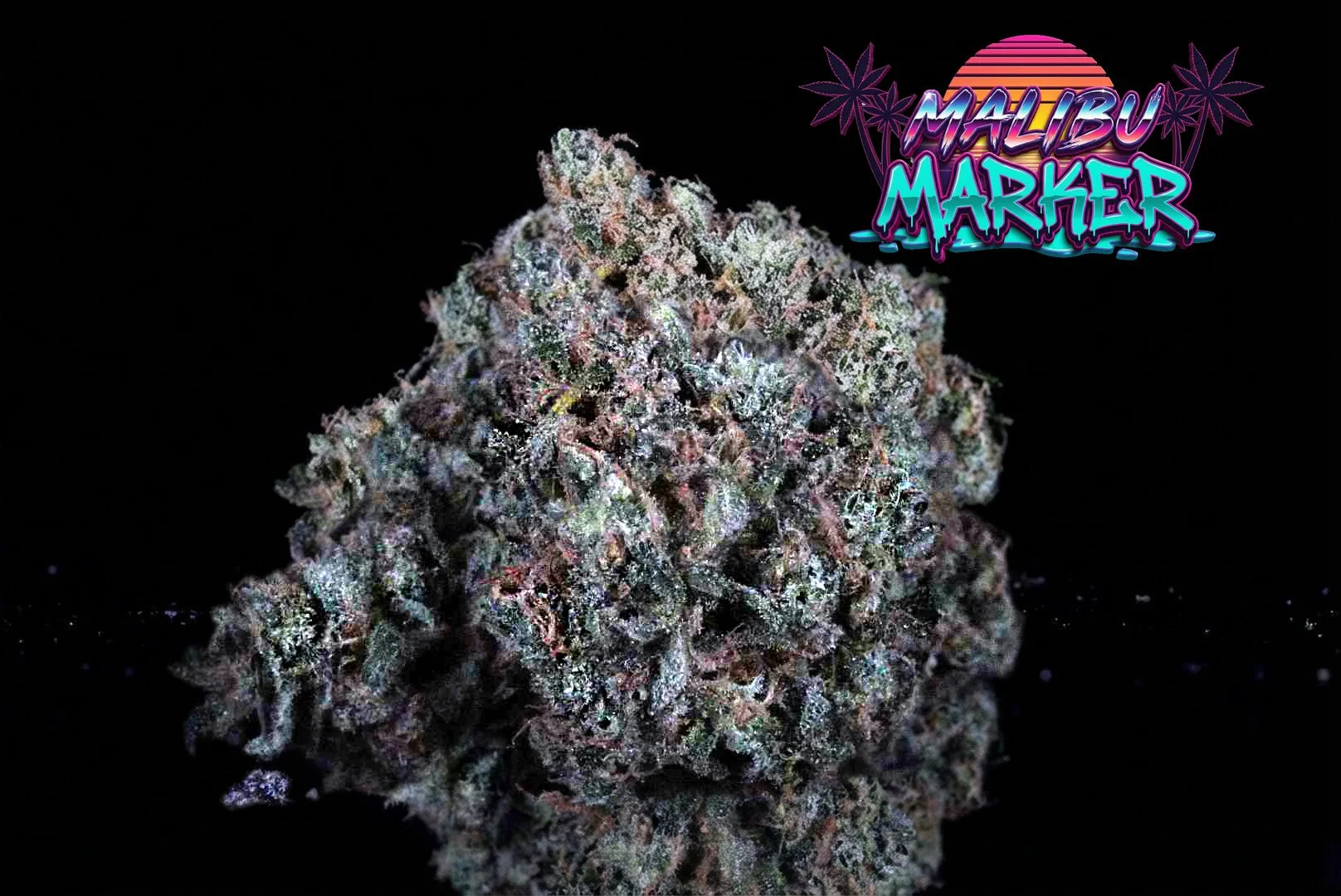
Malibu Marker (Eugreen Farms) — Strain Spotlight (33.3% THC)
Malibu Marker by Eugreen Farms (Malibu × Permanent Marker) testing at 33.3% THC. A bright tropical-citrus profile layered over that signature marker/ink funk—featured now at Green Health Eugene on Highway 99.
If you’re hunting for a boutique-caliber flower that smells like a sunny citrus punch and carries that unmistakable “marker/ink” edge, Malibu Marker by Eugreen Farms is one to put on your short list. This batch is testing at 33.3% THC, and it comes from a modern cross that’s built for loud aroma and standout bag appeal: Malibu × Permanent Marker. AllBud+1
At Green Health Eugene, we’re always rotating fresh drops, and Malibu Marker is the kind of strain people remember when they’re searching “dispensary near me” or “Eugene dispensary” and want something that feels genuinely top shelf — not just hyped.
Quick strain stats
Strain: Malibu Marker
Cultivator: Eugreen Farms Weedmaps
Genetics / Lineage: Malibu × Permanent Marker AllBud+1
THC (this batch): 33.3%
Type: Commonly described as balanced-to-indica-leaning hybrid depending on phenotype/producer notes AllBud+1
Note on “type”: Some strain references list it as a true 50/50 hybrid, while some producer notes describe it as indica-leaning. That’s normal with modern crosses—your nose and your batch will tell the truth. AllBud+1
Aroma & flavor: tropical citrus + “fresh paint” funk
Malibu Marker’s identity lives in the contrast:
Bright, tropical/citrus-forward top notes (think zest, fruit candy, and a little sparkle)
A deeper ink/gas/chemical “marker” signature that fans of Permanent Marker crosses recognize immediately JointCommerce+1
If you’re into cultivars that have that “open the jar and it hits you” presence, Malibu Marker fits the bill.
Dominant terpenes (what shows up most often)
Your exact terpene percentages depend on the batch’s lab panel, but Malibu Marker is frequently associated with combinations like:
Limonene — citrus brightness / sharp zest
Linalool — floral sweetness, soft “perfume” lift
β-Caryophyllene — peppery spice and depth
Often supported by Myrcene and Humulene in some reported lab breakdowns JARS Cannabis+2Puff The Magic+2
If you want, paste me your actual terp test results and I’ll swap this section into a precise “lab-confirmed” terp table.
Why people love Permanent Marker crosses
Permanent Marker crosses have a reputation for being:
extremely aromatic
complex on the palate
and “modern loud” without tasting one-dimensional JointCommerce+1
Malibu Marker tends to pull that profile brighter and more citrus-forward while keeping the ink/gas backbone. JointCommerce
How to enjoy it (responsibly)
If you’re picking up Malibu Marker from our Highway 99 dispensary in Eugene, here are a few simple ways people like to approach strains with big terp expression:
Low-temp flower vapor to capture the citrus/floral layers first
Clean glass if you want the “marker” edge to come through clearly
Fresh grind, don’t over-dry — loud strains go flat if they’re stored poorly
Storage tip: Keep it sealed, cool, and dark. Terps are volatile—treat them like aromatics in a kitchen.
Malibu Marker at Green Health Eugene
We rotate flower constantly, so availability changes fast. If you’re browsing for cheap ounces or just trying to find the best value for a premium jar, ask our team what’s in the freshest rotation right now—sometimes the best move is matching your preferences (citrus, gas, candy, floral) to what just landed.
Come say hi: Green Health Eugene — your neighborhood Eugene dispensary on Highway 99.
21+ only. Please consume responsibly.

Cannabis Industry and Tarrifs - What you need to know
April 2025 – Former President Donald Trump’s new tariffs are sending shockwaves through the U.S. cannabis industry. These tariffs – including a baseline 10% duty on all imports plus steep levies on key trade partners (China faces a total ~54% tariff after new reciprocal duties) – represent some of the highest trade barriers in a century
. Cannabis may be grown domestically due to federal law, but the industry depends heavily on imported equipment, packaging, and components. Below is a sector-by-sector analysis of how these tariffs are affecting both medical and recreational cannabis markets across cultivation, manufacturing, distribution, retail, consumers, and the broader economy.

SCROLL TO BOTTOM FOR DETAILED OUT LOOK
How Trump’s New Tariffs Are Impacting the U.S. Cannabis Industry
The new tariffs introduced by former President Trump in 2025 are reshaping the cannabis landscape, affecting both medical and recreational sectors. Here’s an overview of what customers searching for a dispensary or cannabis store in Eugene, Oregon might notice:
Adjustments Across the Industry
Dispensaries and cannabis businesses rely heavily on imported products, including vape hardware, packaging, and cultivation equipment. With new tariffs as high as 54%, these items are becoming more expensive, potentially affecting production costs and consumer pricing.
Cultivation Considerations
Growers supplying Eugene dispensaries face increased costs for LED lighting systems, hydroponic equipment, and climate control systems. Nutrients and cultivation materials imported from Canada have seen modest price increases as well. However, growers are proactively managing these costs to minimize consumer impacts.
Manufacturing and Retail Adjustments
Manufacturers supplying Eugene Oregon dispensaries, especially those creating vape products, extraction equipment, and specialized packaging, are adjusting to higher expenses. To maintain competitive prices and product quality, cannabis companies are finding innovative solutions, such as sourcing domestically or simplifying packaging.
Consumer Advice and Expectations
Consumers visiting cannabis dispensaries near Eugene, Oregon, might experience slight pricing shifts. Customers searching "dispensaries near me" or "dispensary Eugene open now" can still expect quality and value at reputable stores. To further manage potential cost increases, customers can consider switching from vape cartridges to more cost-effective and potent alternatives like dabs, cannabis flower, or edibles.
Industry Adaptations and Strategies
Dispensaries and cannabis stores in Eugene are responding actively by diversifying supply chains, increasing efficiency through automation, and sourcing locally. These strategies aim to keep cannabis accessible and affordable for the community.
Green Health Eugene: Your Go-To Cannabis Dispensary
Green Health Eugene, conveniently located at State Highway 99 North, Eugene, OR, differentiates itself among the best dispensaries in Eugene by consistently providing top-tier cannabis flower sourced from premier local growers such as Tao Farms, Eugreen Farms, and Focus North. Our specialty in high-quality flower sets us apart as a dispensary. We are uniquely positioned to weather tariff-related impacts. Customers searching for "best dispensary Eugene," "weedmaps," or "highway 99 dispensary menu" can rely on Green Health Eugene for excellent selection, premium quality, and exceptional value.
Looking Forward
Despite economic shifts, Eugene Oregon dispensaries continue to innovate and adapt. By staying informed and proactive, consumers and businesses alike can confidently navigate the evolving cannabis market.
Stay updated and choose Green Health Eugene for the best cannabis experience in Eugene.
Impact of New 2025 Tariffs on the U.S. Cannabis Industry
DETAILED REPORT HERE:
April 2025 – Former President Donald Trump’s new tariffs are sending shockwaves through the U.S. cannabis industry. These tariffs – including a baseline 10% duty on all imports plus steep levies on key trade partners (China faces a total ~54% tariff after new reciprocal duties) – represent some of the highest trade barriers in a century
. Cannabis may be grown domestically due to federal law, but the industry depends heavily on imported equipment, packaging, and components. Below is a sector-by-sector analysis of how these tariffs are affecting both medical and recreational cannabis markets across cultivation, manufacturing, distribution, retail, consumers, and the broader economy.
Cultivation: Rising Costs for Equipment, Nutrients, and Infrastructure
Cannabis cultivation relies on an array of imported supplies, all now pricier due to tariffs. Grow operations (both medical and recreational) use sophisticated indoor lighting, hydroponic systems, HVAC climate controls, and other equipment – much of which is manufactured in China. With the new tariffs, these essential tools of cultivation face significant cost increases, squeezing growers’ budgets
. Expansion plans are being reconsidered as producers weigh whether they can afford higher-priced domestic alternatives or delayed equipment upgrades.
In addition, key growing inputs like fertilizers and growing media are often imported. For example, nutrient-rich compost and peat moss commonly come from Canada; tariffs on Canadian goods will make these cultivation staples more expensive for U.S. growers
. Cannabis cultivators already operate on thin margins amid high taxes and competition, so a 10–15% cost hike on supplies can significantly erode profitability. Smaller cultivators and medical-oriented growers, in particular, may struggle to absorb these added costs, potentially slowing cultivation capacity growth and hindering product supply to the market.
Manufacturing: Tariffs Hit Vape Hardware, Extraction Equipment, and Packaging
Manufacturing is one of the hardest-hit segments because cannabis products depend on imported hardware and materials. Vaporizer devices and components – cartridges, batteries, vape pens – are overwhelmingly produced in China. These now carry tariffs approaching 45–54%
, drastically driving up costs for manufacturers of vape products. Many companies simply cannot source these specialized components domestically at scale. Extraction equipment (such as CO₂ extractors, lab instruments) and processing machinery also often include imported electronics and steel parts, so those costs are rising as well.
Packaging is another major pain point. Cannabis products (edibles, flower, oils) require child-resistant containers, glass jars, vaporizer cartridges, and custom packaging, much of which is made in China. With new tariffs layered on top of existing ones, these packaging materials have suddenly become more expensive across the board
. Domestic packaging suppliers exist but often at higher cost or with limited capacity, leaving cannabis producers in a bind
. Medical cannabis providers (who often use similar packaging standards) are equally affected. Many brands now face a tough choice: swallow the added costs or find new suppliers. In practice, most are opting to pass costs down the supply chain (as discussed below) because absorbing, say, a 10–15% increase on packaging and hardware would wipe out already thin margins
.
Manufacturers are scrambling for workarounds. Some larger companies had anticipated trade issues and moved parts of their supply chain to other countries (e.g. setting up vape hardware production in Malaysia or sourcing nutrients from Israel) to mitigate Chinese tariffs
. However, these shifts take time and often only partially alleviate the problem – China’s manufacturing ecosystem for electronics and specialty items is hard to replace overnight
. For many smaller cannabis product makers, completely overhauling their supplier network is unfeasible in the short term, meaning they must contend with higher import costs for now.
Distribution and Retail: Challenges in the Supply Chain
Tariffs are rippling through distribution and retail by increasing upstream costs and complicating logistics. Distributors who purchase imported supplies (like vape hardware, packaging, or even point-of-sale electronics) are now paying more for these goods, which shrinks their margins unless they raise prices to retailers
. Many distributors and wholesalers have low margins to begin with, so tariff-driven cost increases put pressure on their business viability.
There’s also concern about supply chain disruptions. Heightened trade tensions can lead to slower customs processing and delays
. If imported cannabis accessories or ingredients get held up at ports due to tariff paperwork or retaliatory measures, dispensaries might experience inventory shortages or inconsistent product availability. Retailers could find it harder to keep popular imported items (for instance, a specific vape device or specialty imported accessory) in stock. This is especially problematic in medical cannabis markets where patients rely on consistent product availability for their health needs.
For cannabis retailers (dispensaries), the most immediate impact is higher wholesale costs for finished products. As manufacturers and cultivators raise prices to offset tariffs, retailers must decide how much of that to pass on to consumers versus absorb themselves. In competitive markets, dispensaries worry that significantly higher shelf prices could drive away customers, so some may reduce their own markups, squeezing their profits. Smaller independent dispensaries (including many medical-only dispensaries) often have less cushion than large multi-state retail chains, making them particularly vulnerable. Additionally, retailers may delay expansion plans or new store openings due to the more uncertain economic climate sparked by the trade war. Overall, distribution and retail nodes are feeling the strain at every link of the chain – from procurement to point of sale
.
Consumer Pricing and Accessibility
The ultimate impact of these tariffs is being felt by consumers in the form of higher prices for cannabis products. Industry experts widely agree that most businesses have little choice but to pass along the bulk of these added costs to customers. Cannabis companies generally “don’t have the margin flexibility to absorb a 10%–15% increase” in their costs
. Consequently, shoppers are starting to see prices creep up on everything from vaporizer cartridges to pre-rolled joints.
Dispensaries are trying to manage the price shock with smaller, gradual increases or reduced promotional discounts, but many consumers will inevitably be paying more. Analysts estimate that retail cannabis prices could rise on the order of the tariff increases (e.g. on the scale of 10% or more) unless other cost-cutting measures intervene
. Even value-oriented brands and products are likely to see price hikes, not just premium lines, because the cost pressure is industry-wide
. For medical patients – who often live on fixed incomes and already pay high out-of-pocket costs for cannabis therapy – this trend raises concerns about affordability and access. Unlike recreational users, many medical consumers cannot simply cut back usage without affecting their health. If prices climb too high, some patients might be forced to reduce their dosage or consider alternative treatments, undermining the goal of cannabis as medicine.
Beyond pricing, geographical accessibility could be indirectly affected. If some marginal retailers or cultivators shut down due to economic strain, patients and consumers in those areas might have fewer legal outlets or product choices. This is particularly problematic in states with limited licensed dispensaries or in medical-only states where the market is smaller – any contraction could leave certain patient groups underserved. Overall, higher costs and uncertainty make the legal cannabis market less accessible and less attractive to consumers who are sensitive to price or convenience.
Figure: Cannabis products in a shopping cart, symbolizing consumer costs. New tariffs are expected to raise prices for end-users, as companies pass on increased import expenses.
Critically, rising prices threaten to widen the gap between legal and illegal markets. Cannabis is already expensive in many states due to taxes; if legal prices climb further due to tariffs, some consumers may turn back to illicit suppliers who offer lower prices. This not only hits consumer wallets but also has public health implications, as described next.
Potential Shifts in Consumer Behavior – Illicit Market Resurgence
With legal cannabis products becoming costlier, the illicit market stands to benefit. Historically, one key challenge for legal cannabis has been competing with untaxed, unregulated street prices. The new tariffs exacerbate this issue by making legal goods even pricier. Industry observers warn that higher retail prices will drive more consumers to the illicit market, undercutting legal sales and denting revenues for licensed firms
. Early signs bear this out – companies report softening demand and slowing order volumes as some price-sensitive buyers seek alternatives
.
Consumers might ask themselves: why pay, say, $60 for a legal product that used to cost $50, when a similar illicit product is still $30-$40? This equation becomes more tempting as the price gap widens. Indeed, in many areas it’s still “easier – and cheaper – to grab bud from the plug (black-market dealer) than the dispensary,” and added tariffs could make going legal feel less “worth it” to some buyers
. This shift in behavior not only hurts legal businesses but also undermines the goals of legalization. The legal market was intended to crowd out illicit activity through regulated, safe products; but if cost drives customers away, a significant portion of demand may drift back outside the regulated system
.
It’s not just price: quality and safety concerns come into play. If licensed firms try to cut costs by using lower-quality inputs or forgoing safety testing (in an extreme scenario) to compensate for tariffs, it could erode consumer trust. Some smaller producers might be tempted to use cheaper, unvetted hardware or ingredients, raising risks of product issues (e.g. unsafe vape cartridges). A worst-case example would be a repeat of the 2019 illicit vape cartridge health crisis (EVALI) triggered by black-market products – a scenario industry experts desperately want to avoid
. In summary, tariff-driven price hikes risk fueling black-market sales and potentially endangering consumers, a backward step for the post-prohibition cannabis framework.
Job Market and Economic Ripple Effects
The cannabis industry’s rapid growth in recent years – creating over 400,000 jobs in the U.S. (from cultivators to budtenders) – may slow as a result of these tariffs. Higher operating costs and shrinking margins mean companies are looking to cut expenses elsewhere. Often, that means hiring freezes, scaling back expansion, or even layoffs. If a cannabis manufacturer must pay significantly more for components, it might postpone plans to open a new processing facility (foregoing new jobs) or reduce staff to save money. Similarly, cultivators facing pricier equipment might delay the build-out of new grow rooms, impacting construction and agricultural labor jobs.
Publicly traded cannabis companies saw their stock prices drop 5–10% immediately after the tariff announcements
, reflecting investor expectations of profit squeezes. This market reaction indicates that businesses could struggle to meet earnings targets – a pressure that often results in cost-cutting measures. For smaller operators and equity-owned businesses, who lack large capital reserves, the tariff “tax” on their supplies can be devastating – increasing the risk of closures. Each small dispensary or farm that closes means jobs lost in local communities. There’s also a broader equity concern: many of the communities and entrepreneurs hardest hit by past cannabis prohibition (and prioritized by social equity programs) are now being hit again by economic headwinds beyond their control
.
On the flip side, the tariffs could create some shifts in employment. If companies seek domestic suppliers for packaging or equipment to avoid tariffs, that could modestly boost jobs in U.S. manufacturing sectors related to cannabis (e.g. packaging production, equipment fabrication). However, these gains are uncertain and likely small in the short term – domestic alternatives are often more expensive or not immediately able to scale
. In the aggregate, economists predict Trump’s trade policies will act as a drag on the U.S. economy, reducing overall output by ~0.4% over the coming decade and costing the average household an extra $800 per year in expenses
. The cannabis sector, already high-taxed and federally restricted, is uniquely vulnerable in such a tighter economy
. If consumers cut back spending on discretionary items like recreational cannabis, that slowdown will ripple through to state tax revenues and ancillary industries (lab testing services, packaging vendors, etc.).
In short, the tariffs add another headwind for an industry that was just finding its footing. We may see a Darwinian effect where only the most efficient, well-capitalized companies survive, potentially accelerating consolidation (larger companies acquiring distressed smaller ones). This could concentrate employment in a few big players while many smaller operations shed jobs. Policymakers in cannabis-friendly states will need to monitor these economic impacts, as the burgeoning “green economy” might not grow as fast as hoped under these conditions.
Industry Strategies for Adaptation
Facing these challenges, the U.S. cannabis industry is actively strategizing ways to adapt. Both recreational and medical cannabis companies are pursuing several approaches:
Diversifying Supply Chains: Many firms are seeking alternative sourcing outside of heavily tariffed countries. Some vape hardware and equipment production is shifting to Southeast Asia (e.g. Malaysia, Vietnam), or other regions with lower tariffs
. Others are stockpiling inventory or pre-purchasing supplies before tariff rates climb further
. While China’s dominance can’t be replaced overnight, diversifying suppliers is a key hedge against ongoing trade wars
.
Domestic Sourcing and Localization: Companies are exploring U.S.-based or North American manufacturers for things like packaging, nutrients, and glassware to reduce tariff exposure. For example, some packaging firms are marketing “Made in USA” solutions to cannabis brands. However, insourcing manufacturing is often cost-prohibitive without automation, given higher U.S. labor costs
. Some firms are collaborating with Canadian or Mexican partners within the new trade environment (leveraging the USMCA framework) to keep supply lines closer to home, though tariffs on those countries still apply (e.g. 25% on Canadian/Mexican imports)
.
Automation and Efficiency Improvements: To offset rising material costs, cannabis producers are investing in automation and process efficiency. This includes automated packaging lines, robotic cultivation systems, and AI-driven resource management to squeeze out cost savings. Greater automation can reduce labor costs and improve yield, helping companies absorb some of the tariff impact. Industry advisors note that full relocation of manufacturing back to the U.S. would likely require major automation investments to be viable
– a long-term prospect that some larger companies are beginning to evaluate.
Product and Packaging Adjustments: Brands are tweaking their product offerings to maintain price points. We may see “shrinkflation” – slightly smaller pre-rolls or lower-dose edibles sold for the same price – to quietly manage costs
. Simplifying packaging (less ornate boxes, using cheaper materials) is another tactic to save money. Some companies are also emphasizing sustainable packaging innovations, hoping eco-friendly locally sourced materials might both cut costs and appeal to consumers, a shift that tariffs may actually accelerate
. For instance, using recyclable or biodegradable packaging made in the U.S. could reduce reliance on imported plastics while aligning with environmental values.
Pricing Strategies and Customer Engagement: On the retail side, dispensaries are adjusting pricing strategies – perhaps introducing loyalty programs or bulk-buy discounts to keep customers coming despite higher prices. Clear communication is also crucial: some retailers are educating consumers that external tariffs (not just business greed) are causing price increases, in an effort to maintain goodwill. Additionally, businesses are closely watching consumer behavior and may pivot to stocking more cost-effective product types (for example, if expensive imported vape pens slow in sales, a retailer might emphasize domestically produced edibles or flower).
Advocacy and Policy Adaptation: The tariff pressure is highlighting longstanding issues like federal cannabis illegality. Industry leaders and lobbyists are using this moment to push for reforms – such as federal legalization or rescheduling – that could open up supply options and reduce costs (e.g. by allowing interstate commerce which could create economies of scale). There is also talk of advocating for exemptions or relief on certain cannabis-related imports. While changes at the federal level may not come soon, the situation underscores the need for the cannabis industry to have a voice in trade policy discussions.
Not all businesses have the means to deploy these strategies. Small medical dispensaries and craft growers may find it difficult to, say, shift production overseas or invest in automation, compared to large multi-state operators. This could widen the competitive gap in the industry. Nonetheless, those who can adapt in these ways may emerge more resilient. Experts note that the turbulence might ultimately drive the cannabis supply chain to become more distributed and technologically advanced, reducing over-reliance on any single country
. In the meantime, however, survival requires agility: companies must innovate or face getting squeezed out of the market.
Conclusion and Outlook
The new 2025 tariffs have cast a long shadow over the U.S. cannabis industry, touching every aspect from seed to sale. Cultivators are paying more for soil and gear, manufacturers are scrambling for non-tariffed components, distributors and retailers are juggling higher costs and potential delays, and consumers (both recreational users and medical patients) are staring at rising prices and reduced access. In an industry already burdened by heavy taxation and federal prohibitions, these trade barriers feel like “salt in the wound”
. Legal cannabis businesses find themselves in a fight to maintain competitiveness against illicit markets and to protect slim profit margins.
In the near term, we can expect some turbulence: higher consumer prices, potential shifts back to underground sales, and shake-ups in the industry structure as firms adapt or falter. Companies that can streamline operations and reorient supply chains will have an edge in weathering this storm. Those that cannot may consolidate or exit, possibly altering the market landscape (fewer, larger players). For consumers and patients, vigilance is key – sticking with licensed products for safety, while seeking out deals or assistance programs that some medical programs offer to offset costs.
On a broader scale, these tariffs underscore how entwined the cannabis sector is with global trade dynamics, despite its domestic-grown product. The situation may catalyze positive changes (like more sustainable packaging or eventual domestic manufacturing innovation), but it also highlights the need for sensible policies that support this young industry. As one trade publication noted, the cannabis industry must “adapt quickly, or risk being caught in the crossfire of a global trade war”
. In 2025 and beyond, the resilience of U.S. cannabis – medical and recreational alike – will be tested, but with adaptation and savvy strategy, it can continue its growth trajectory even amid tariff-induced headwinds.
Sources:
Roy, Mrinalika. Reuters, Apr 3, 2025 – “High just got higher: Trump tariffs to raise prices for US cannabis users”
Vaughan, Aron. Cannabis & Tech Today, Feb 7, 2025 – “How Trump’s Tariffs are Shaking Up the Cannabis Industry”
Hazey Taughtme. Black Cannabis Magazine, Apr 4, 2025 – “Trump Tariffs Raise Cannabis Prices Across U.S. Dispensaries”
Marijuana & the Law, Apr 1, 2025 – “Tariffs on Chinese Imports Drive Up Costs for U.S. Cannabis Industry”
Silverberg, David. Cannabis Business Times, Apr 4, 2025 – “High Tariffs Hurting Cannabis Sector, With Little Relief in Sight”
(Insights from industry executives)
Lavin, Kate. MJBizDaily, Mar 11, 2025 – “Cannabis vape companies worry Chinese tariffs will cause safety crisis”
(Background on vape hardware sourcing)
Reuters Staff. Reuters, Apr 4, 2025 – “Trump tariffs sow fears of trade wars, recession…”
(Trade policy context)
21+ Only
Are you 21 years of age or older?
July 22-26 at Lane Events Center: the full concert lineup, the admission deals nobody reads about, and how West Eugene locals plan fair week.