


 Eugene Cannabis Education · Since 2014
The Green Health Blog — Cannabis Education, Strain Guides & Eugene Community News
Welcome to the Green Health Blog — your go-to resource for cannabis education, product guides, and local news from Eugene, Oregon. We write for everyone: locals from Bethel-Danebo, Santa Clara, and River Road who want to stay up to date on what’s new at our dispensary, travelers landing at Eugene Airport who want to understand Oregon’s cannabis laws, and commuters along Highway 99 looking for deals on their way through town.
Learn About Cannabis in Oregon
Oregon’s cannabis scene is always evolving — new genetics, updated regulations, and more product options than ever before. Our blog breaks it down in plain language so you can shop with confidence. You’ll find beginner-friendly guides covering how to choose the right strain, the differences between flower, edibles, and concentrates, and what to expect from each cannabinoid family.
Whether you’re brand new to cannabis or you’ve been a consumer for years, our education posts are built to help you get more out of every purchase.
Why Cannabinoids Matter — The Big Picture
CBD, CBG, CBN, THC, THCV — how each cannabinoid works, what they do differently, and why product labels are getting more sophisticated.
Read More →CBN — The Sleep Cannabinoid Explained
What CBN is, how it forms, why it's becoming the 2026 standard for nightly recovery, and the products on our shelf that lean into it.
Read More →CBG — The Daytime Cannabinoid
CBG is the precursor to most other cannabinoids. What it does, how it differs from CBD and CBN, and the focus-leaning daytime use case.
Read More →CBD — What It Does and Doesn't Do
CBD basics: what it is, what it actually does for most people, why it's not psychoactive in the traditional sense, and the CBD products at Green Health.
Read More →Solvent vs Solventless Concentrates
Live resin vs live rosin, BHO vs hash rosin, why solventless commands premium prices, and how to choose based on your priorities.
Read More →Cannabis Tinctures — Dosing & Use Guide
Sublingual vs swallowed, microdose to standard dose, how tinctures compare to edibles, and the brands we carry at Green Health.
Read More →Oregon Cannabis Law & OMMP Resources
Whether you’re visiting Eugene from out of state, holding an OMMP card, or just trying to make sense of OLCC purchase limits, our legal coverage breaks Oregon cannabis law into plain language. RSO and FECO guidance, Schedule III rescheduling news, daily and monthly limits, and the medical card process — all reviewed and kept current.
RSO vs FECO: Differences, Uses & Which Is Right for You
The complete guide to Rick Simpson Oil and Full Extract Cannabis Oil — what they are, how they're made, dosing, and what we recommend at the counter.
Read the Full Guide →Cannabis Schedule III — What It Means for Oregon Patients
The DEA's reclassification proposal and what it could change for OMMP cardholders, dispensary tax structures, and medical access in Oregon.
Read More →OLCC Cannabis Purchase Limits 2026
How much cannabis can you legally buy in Oregon? Recreational vs medical limits, daily and monthly caps, and how OLCC tracks it.
Read More →Eugene OMMP Card Guide 2026
Step-by-step guide to getting your Oregon Medical Marijuana Program card in Eugene — eligibility, doctors, costs, timeline, and what changes after.
Read More →Strain Spotlights & Product Features
Wondering what’s on the menu before you visit our Eugene dispensary? Our strain spotlights and product features highlight what’s fresh, what our staff is excited about, and what’s trending with our customers. We cover featured strains from trusted Oregon cultivators, new edible and concentrate drops, staff picks across every category, and how to make the most of our rotating daily deals. Think of it as a preview of what’s waiting for you at 607 Highway 99 North.
Cap Junky — Sativa or Indica? Effects & Profile
Heavy-hitting hybrid from Fenario Farms. Terpene profile, effects, what we observe at the counter, and how it compares to other Cap Junky phenos.
Read More →True Glue from Tao Gardens — Strain Review
Eugene-favorite indica from Tao Gardens. Sticky, gas-forward, deeply relaxing. Effects, terpenes, and our budtender notes from the shop.
Read More →Velvet Glove — Herbal Dynamics
Smooth indica-leaning hybrid. Terpene profile, expected effects, and why it's a regular in our rotation from Herbal Dynamics.
Read More →Ice Cream Cake — Herbal Dynamics
Classic dessert-forward indica. Sweet, creamy, sedating — the kind of strain customers buy on Friday and finish by Sunday.
Read More →Malibu Marker — Strain Profile
Bright, citrus-forward sativa-leaning hybrid. Effects profile, terpenes, and where it sits in our flower lineup.
Read More →Exploring the Health Benefits of Cannabis: Your Local Green Health Eugene Guide
Exploring the Health Benefits of Cannabis: Your Local Green Health Eugene Guide

Welcome to the Green Health Eugene blog, where we explore the fascinating world of cannabis and its many benefits. As your trusted local dispensary in Eugene, we are committed to sharing the latest information about cannabis products to help you make informed decisions. Today, we're diving into some of the interesting health benefits and applications of cannabis.
Why Choose Cannabis for Wellness?
The demand for "cannabis dispensaries near me" and "best dispensary in Eugene" continues to grow as more people recognize the health benefits of cannabis products. Whether you are a seasoned cannabis user or just starting out, understanding how cannabis can be part of a healthy lifestyle can help you decide which products might be best for you.
One of the most common searches we see is "CBD vs THC benefits." Let's explore this popular topic! CBD (cannabidiol) and THC (tetrahydrocannabinol) are two primary compounds found in cannabis. CBD is known for its therapeutic properties without the psychoactive effects, making it ideal for users looking for relief from anxiety, inflammation, or chronic pain. Meanwhile, THC, the compound that produces the "high" feeling, has also shown promising effects in helping with conditions like insomnia, lack of appetite, and nausea.
Cannabis Products for Relaxation and Stress Relief
Did you know that cannabis can be a powerful tool for relaxation? Many people look for "cannabis products for stress relief" or "best edibles for anxiety." At Green Health Eugene, we offer a range of cannabis edibles, tinctures, and vape products that are designed to promote relaxation and alleviate stress. For example, products rich in CBD are particularly popular among those seeking non-psychoactive ways to unwind after a long day. We also carry high THC strains for those looking for a stronger effect.
Understanding Different Types of Cannabis Products
With more people searching for "top cannabis strains for pain relief," it's important to understand the variety of cannabis products available. At Green Health Eugene, we carry sativa, indica, and hybrid strains, each with their own unique effects. Sativa strains are known for their energizing properties, often described as perfect for those looking for a "daytime strain for creativity." In contrast, indica strains are often referred to as "nighttime strains," providing deep relaxation and aiding with sleep. Our Eugene cannabis dispensary has all these options available.
Another common search is for "full-spectrum cannabis oil." Full-spectrum products contain a variety of cannabinoids and terpenes, which work together in what’s known as the entourage effect, potentially providing greater therapeutic benefits compared to isolated compounds.
Health and Wellness Uses of Cannabis
Many customers come to us with questions about "cannabis for pain management" or "cannabis topicals for arthritis." Cannabis topicals, such as lotions or balms infused with CBD, have become increasingly popular for localized pain relief, particularly for joint and muscle discomfort. These products offer the therapeutic benefits of cannabis without the need for inhalation or ingestion, making them a great choice for individuals new to cannabis.
If you're curious about "cannabis tinctures for sleep," our knowledgeable staff at Green Health Eugene can help you select the right product. Tinctures are a versatile option, allowing you to place a few drops under your tongue for quick absorption or add them to your favorite beverage for a relaxing nightcap. We offer organic cannabis products to ensure our customers are getting the best possible quality.
Why Green Health Eugene is Your Go-To Dispensary
As more people search for "dispensaries in Eugene with quality products," we take pride in being one of the most highly-rated dispensaries in the area. At Green Health Eugene, we prioritize customer education and satisfaction. Our expert team is always available to answer questions and help you find the right cannabis products for your needs, whether you're looking for "high THC strains," "CBD gummies for pain," or "organic cannabis products." We also offer dispensary deals near me to ensure you get the best value.
Our commitment to offering a wide selection of products, including edibles, pre-rolls, vapes, and tinctures, makes us the best "local dispensary for all your cannabis needs." We also provide information on how to use these products safely and effectively to improve your well-being.
The Future of Cannabis: A Growing Wellness Trend
As the legalization of cannabis spreads across the country, the search for "latest cannabis trends" and "dispensary deals near me" continues to grow. The future of cannabis is bright, and we at Green Health Eugene are excited to be a part of this journey with you. Whether you're interested in trying something new or exploring medical cannabis options, we are here to guide you every step of the way.
Visit Us at Green Health Eugene Today
If you’re ready to learn more, visit us at Green Health Eugene, your local "Eugene cannabis dispensary." We are committed to providing the highest quality cannabis products and ensuring that our customers have access to the information they need. Whether you're searching for "best cannabis for anxiety," "dispensary near the University of Oregon," or just want to explore our selection, we have something for everyone.
Stop by our dispensary today or visit our website at www.greenhealtheugene.com to learn more and see why we are one of the top-rated cannabis dispensaries in Eugene!
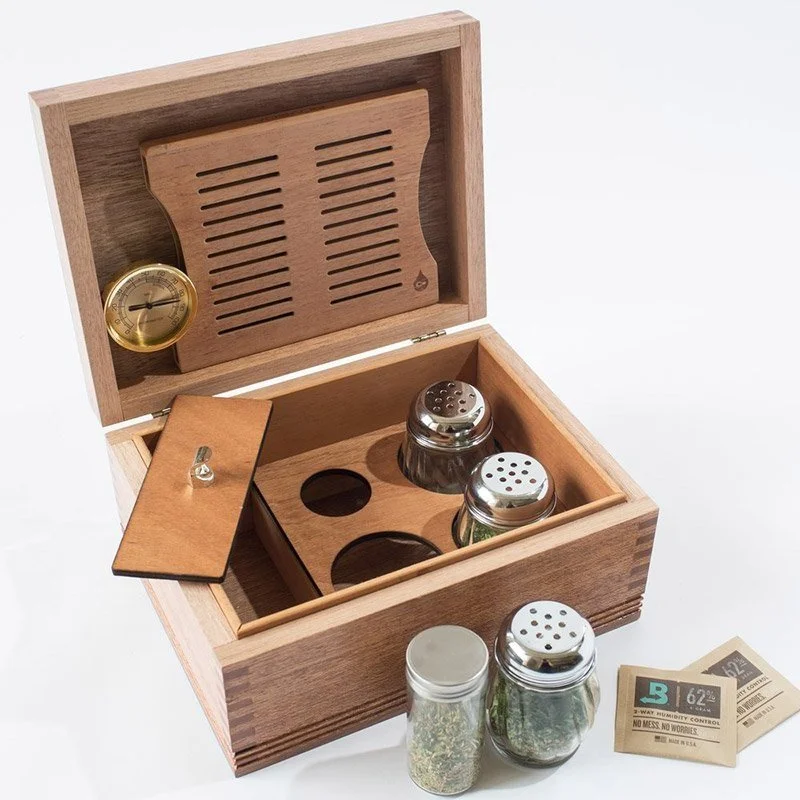
Best Practices for Cannabis Storage: From Flower to Edibles and Concentrates
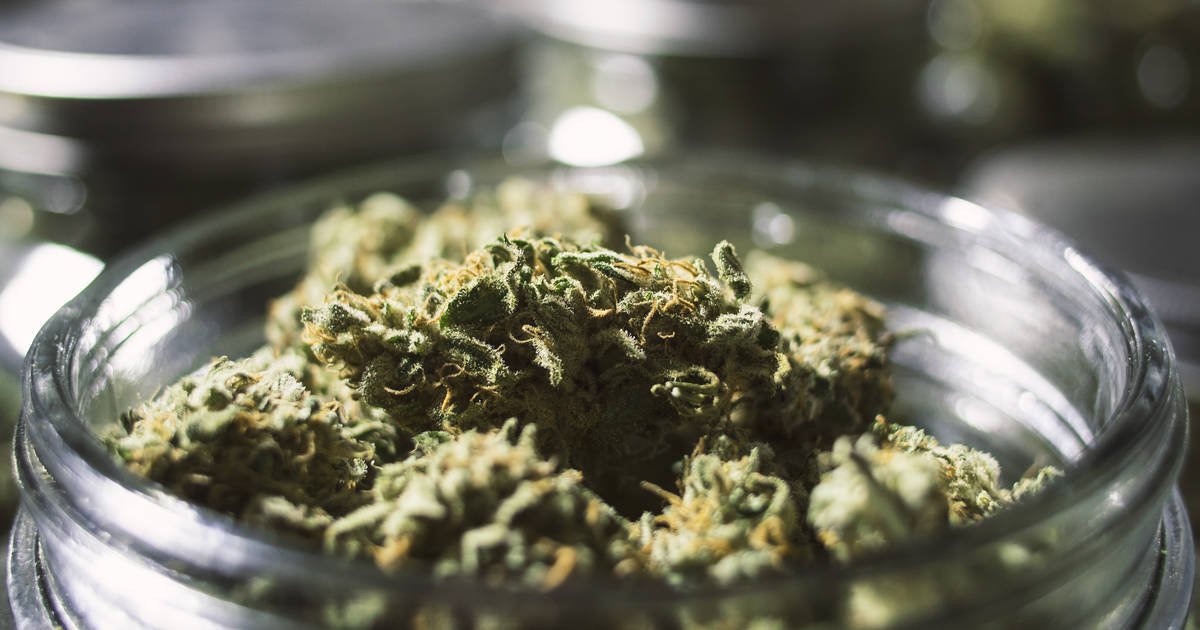
When you’re on the hunt for the “best dispensary near me,” you’re not only searching for a variety of quality products but also expert advice on how to keep them fresh and potent. Cannabis, much like fine wine or gourmet food, requires proper storage to maintain its efficacy and flavor. Whether you’ve just made a purchase from our top-rated dispensary or you’re merely curious, this article will shed light on the best practices for storing cannabis in its various forms - be it flower, edibles, or concentrates.
1. Flower Storage: Keep It Fresh and Potent
Flowers are the dried buds of the cannabis plant and are the most commonly recognized form. When storing:
Avoid Direct Light: UV rays can break down the cannabinoids in your cannabis, leading to decreased potency. Store your flower in a cool, dark place.
Maintain Proper Humidity: Ideally, cannabis flowers should be kept at a relative humidity between 55% and 62%. You can use products like humidity packs to maintain this range.
Airtight Containers: Glass jars with an airtight seal are perfect for storing flower. They prevent airflow, which can dry out the cannabinoids and terpenes, the compounds responsible for potency and flavor.
2. Edibles: Delicious But Delicate
Whether you prefer gummies, chocolates, or baked goods, edibles are a delightful way to consume cannabis. Keeping them fresh:
Refrigeration is Key: Most edibles benefit from refrigeration, which helps in retaining their flavor and prolongs their shelf life.
Original Packaging: Store your edibles in their original packaging. This will usually provide the necessary barrier against air and moisture.
Away from Kids and Pets: This might seem like a no-brainer, but it's worth emphasizing. Ensure edibles are out of reach from children and pets, as they can be mistaken for regular treats.
3. Concentrates: Potent and Precise
Concentrates like oils, waxes, and shatters provide a more concentrated cannabis experience. To maintain their consistency and potency:
Cool and Dark: Like flowers, concentrates should be kept in a cool, dark environment.
Silicone or Glass: These materials don’t degrade with time and won’t affect the taste or potency of your concentrate.
Minimize Air Exposure: Air can degrade concentrates over time. Make sure they're in airtight containers, and try not to leave them open for long periods.
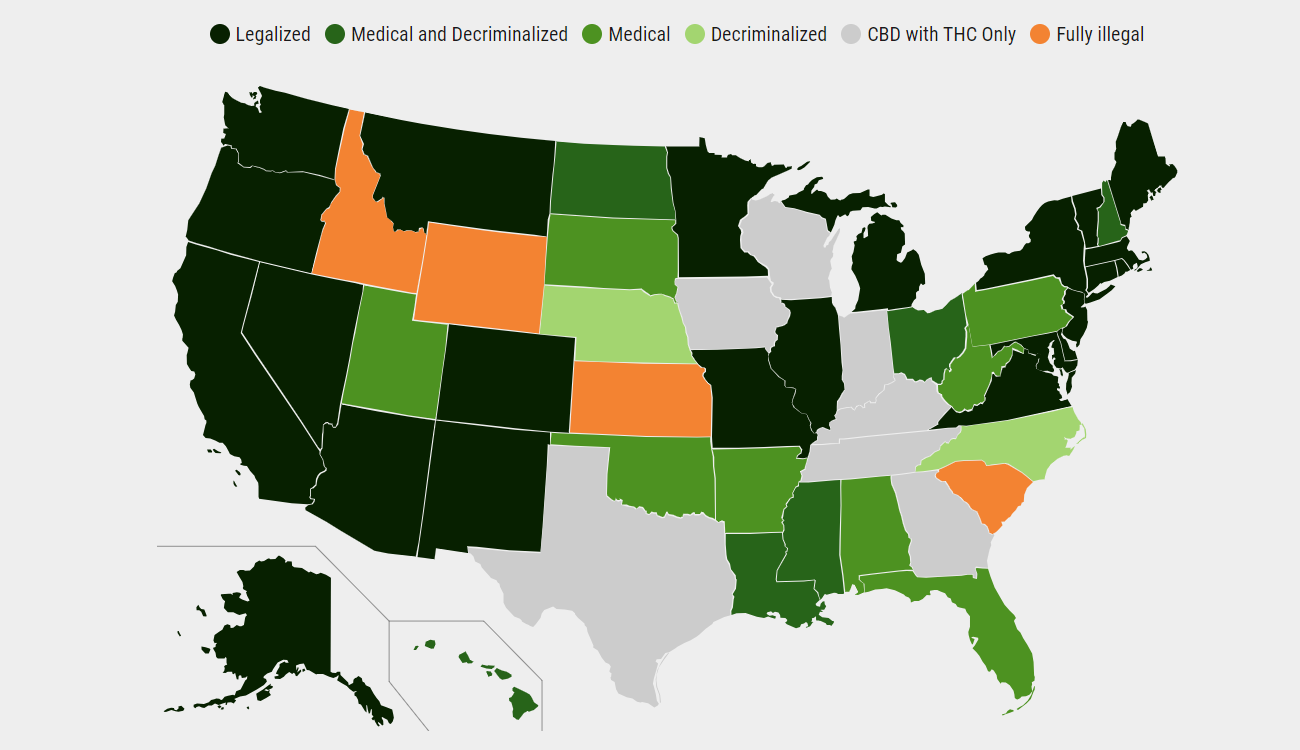
The Changing Landscape of Cannabis Legalization in the United States
Discover the ever-changing landscape of cannabis legalization in the United States. From states fully embracing recreational use to those allowing medical cannabis only, we delve into the details. Explore recent federal developments and the possible road to nationwide legalization.

How Is Legalization Coming Along?
In recent years, the United States has witnessed a remarkable shift in its approach to cannabis legalization. From a once highly controversial subject, cannabis has emerged as a topic of extensive debate, policy changes, and legal reforms across various states. This article delves into the current state of cannabis legalization in the United States, providing insights into the states that have fully embraced recreational and medical use, those limited to medical-only use, and the remaining states where cannabis remains entirely illegal. We'll also explore recent developments and the potential timeline for nationwide cannabis legalization.
States With Full Legalization & Decriminalization :
Alaska
Arizona
California
Colorado
Connecticut
Delaware
District of Columbia
Illinois
Maine
Maryland
Massachusetts
Michigan
Minnesota
Missouri
Montana
Nevada
New Jersey
New Mexico
New York
Oregon
Rhode Island
Vermont
Virginia
Washington
States With Medicinal Cannabis / Still Illegal / Not Decriminalized :
Alabama
Arkansas
Florida
Oklahoma
Pennsylvania
South Dakota
Utah
West Virginia
States With CBD Only Medicinal / Still Illegal / Not Decriminalized :
Gerogia
Indiana
Iowa
Kentucky
Tennessee
Texas
Wisconsin
States With Medicinal Cannabis / Still Illegal / Decriminalized :
Hawaii
Louisiana
Mississippi
New Hampshire
North Dakota
Ohio
States with Full Illegalization :
Idaho
Kansas
Nebraska
North Carolina
South Carolina
Wyoming
Recent Developments and Future Outlook
The nationwide landscape of cannabis legalization has transformed significantly in recent years, with an increasing number of states opting to legalize cannabis in some form. However, the federal government continues to classify cannabis as a Schedule I controlled substance, hindering broader legalization efforts.
Recent developments, such as the MORE Act (Marijuana Opportunity Reinvestment and Expungement Act), passed by the U.S. House of Representatives, indicate a growing shift towards federal decriminalization and potential removal from the Schedule I category. This bill aims to expunge prior cannabis convictions and open pathways for cannabis businesses to access banking services.
While several states have taken proactive steps toward legalization, achieving nationwide cannabis legalization remains a complex process. Factors such as political dynamics, public opinion, and economic considerations play significant roles in shaping the timeline for full-scale federal legalization. As of now, it's challenging to predict an exact timeline, but the momentum towards a more inclusive approach to cannabis seems inevitable.
Conclusion
Cannabis legalization in the United States is a dynamic and evolving process. States are adopting various approaches, from full recreational legalization to medical-only use, while some still uphold complete prohibition. Recent developments at the federal level suggest that the tide is shifting towards a more permissive stance on cannabis. As the nation navigates through this transformation, staying informed about the changing landscape is crucial for both industry participants and the general public.

Cannabis and Multiple Sclerosis: Exploring the Potential Benefits
"In the realm of medical research, cannabis is emerging as a potential ally in the battle against multiple sclerosis (MS). This complex autoimmune disease wreaks havoc on the central nervous system, leading to a range of debilitating symptoms. However, the synergy between two key cannabinoids found in cannabis—cannabidiol (CBD) and delta-9-tetrahydrocannabinol (THC)—has captured the attention of researchers, offering a glimmer of hope for those living with MS.”

Multiple Sclerosis (MS) is a complex and chronic autoimmune disease that affects the central nervous system, leading to a range of debilitating symptoms. As researchers delve deeper into the potential benefits of cannabis for medical purposes, there is growing interest in its application for alleviating MS symptoms. This article explores the link between cannabis and multiple sclerosis, shedding light on the medical research, tests, and studies that highlight its potential therapeutic effects.
Understanding Multiple Sclerosis
Multiple Sclerosis is characterized by the immune system attacking the protective myelin sheath surrounding nerve fibers in the central nervous system. This attack disrupts nerve signals and leads to a wide array of symptoms, including muscle weakness, fatigue, pain, and problems with coordination and balance.
The Role of Cannabis in MS Symptom Management
Cannabis, a plant that contains over a hundred different chemical compounds called cannabinoids, has been investigated for its potential therapeutic effects on various medical conditions, including MS. Two prominent cannabinoids found in cannabis are cannabidiol (CBD) and delta-9-tetrahydrocannabinol (THC).
CBD and Its Potential Benefits
CBD is a non-psychoactive cannabinoid that has gained attention for its potential anti-inflammatory and neuroprotective properties. In the context of MS, CBD's anti-inflammatory effects may help mitigate the immune response responsible for damaging nerve cells. Several studies have suggested that CBD could play a role in managing MS symptoms, including pain and spasticity.
A study published in the "Journal of Neurology, Neurosurgery & Psychiatry" (2019) examined the effects of CBD on spasticity in MS patients. The researchers found that CBD significantly reduced muscle spasticity, leading to improved mobility and overall quality of life.
THC and Its Potential Benefits
THC is the psychoactive compound in cannabis that is responsible for the "high" associated with its use. While THC's psychoactive effects can be a concern for some patients, its potential benefits should not be overlooked. THC has been reported to have pain-relieving and muscle-relaxant properties, making it a potential candidate for managing MS symptoms.
A study conducted by the University of Colorado (2017) assessed the effects of THC and CBD in combination for pain relief in MS patients. The researchers noted that the THC-CBD combination provided superior pain relief compared to a placebo, demonstrating the synergistic effects of both cannabinoids.
Synergy between CBD and THC
One of the most intriguing aspects of cannabis is the entourage effect, which suggests that the combined action of various cannabinoids, terpenes, and other compounds may enhance the therapeutic potential of the plant. In the context of MS, CBD and THC are believed to work together to provide a more comprehensive relief of symptoms.
Research published in the "European Journal of Pain" (2018) explored the potential synergistic effects of CBD and THC for pain management. The study found that a balanced CBD-THC ratio led to improved pain reduction in MS patients, emphasizing the importance of finding the right combination for optimal symptom relief.
Research Studies and Medical Support
Numerous research studies have contributed to the growing body of evidence supporting the potential benefits of cannabis for MS symptom management. Prominent doctors and researchers, such as Dr. Alan J. Thompson, the Dean of the Faculty of Brain Sciences at University College London, have expressed interest in exploring cannabis-based therapies to improve the quality of life for MS patients.
While the potential benefits of cannabis for managing multiple sclerosis symptoms show promise, it's crucial to approach its use with caution. Consulting with a medical professional knowledgeable about both MS and cannabis is essential to determine the most suitable treatment plan for each individual. As research in this field continues to evolve, the role of cannabis in improving the lives of those living with multiple sclerosis remains an area of great interest and potential.
Disclaimer: This article is for informational purposes only and should not be considered medical advice. Always consult with a qualified healthcare professional before making any medical decisions.
References:
[Study: CBD as a treatment for spasticity in multiple sclerosis]
[University of Colorado study on THC-CBD combination for MS pain]
[European Journal of Pain study on CBD-THC synergy for pain relief]
[Dr. Alan J. Thompson's research on cannabis-based therapies for MS]
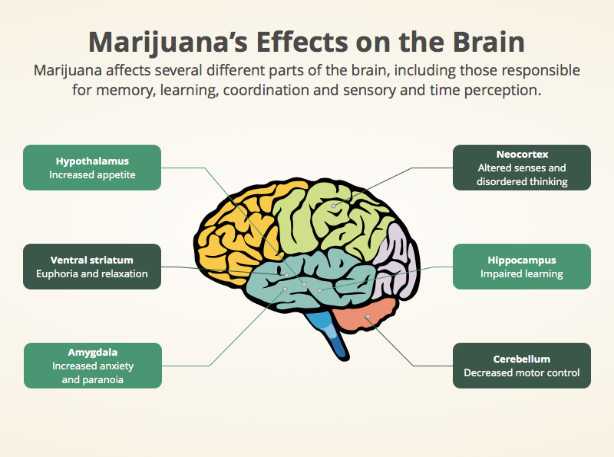
The Impact of Cannabis on Memory, Cognition, and Motor Functions
In this comprehensive article, we delve into the intricate relationship between cannabis and memory, cognition, and motor functions. Discover the impact of THC, CBD, CBG, and CBN on cognitive performance and explore their potential medical benefits. Whether you're a cannabis enthusiast or interested in the medical applications of cannabinoids, this article provides valuable insights into the complex world of cannabis and its effects on the mind.

Cannabis, a versatile plant, has been used for centuries for its medicinal properties and recreational effects. As cannabis legalization becomes more widespread, it is essential to understand its potential impact on memory, cognition, and motor functions. This article explores the various types of cannabis and how they affect these cognitive functions. Additionally, we'll delve into the roles of specific cannabinoids like CBD, CBG, and CBN and their potential effects on memory and cognition.
Types of Cannabis and Their Effects on Memory, Cognition, and Motor Functions
THC-dominant Cannabis: Tetrahydrocannabinol (THC) is the primary psychoactive compound in cannabis and is responsible for the euphoria and "high" that users experience. Research has shown that THC can impair short-term memory and attention span, making it difficult to recall recent events and maintain focus. In excessive amounts, THC may also lead to decreased cognitive performance and impaired motor coordination, affecting activities such as driving.
CBD-dominant Cannabis: Cannabidiol (CBD) is another prominent cannabinoid found in cannabis, and unlike THC, it does not produce psychoactive effects. In fact, CBD has been investigated for its potential neuroprotective properties and memory-enhancing effects. Studies suggest that CBD may mitigate the memory impairment caused by THC, reducing the negative impact on cognitive function.
Balanced THC/CBD Cannabis: Some cannabis strains contain a balanced ratio of THC to CBD. The presence of CBD in these strains may partially counteract the memory and cognitive deficits typically associated with THC consumption. Balanced strains might provide a more moderate psychoactive experience while preserving cognitive function to some extent.
CBG and CBN: Cannabigerol (CBG) and Cannabinol (CBN) are lesser-known cannabinoids found in cannabis. Research on CBG and CBN is still in its early stages, but preliminary studies suggest they might have neuroprotective effects and influence memory and cognition positively. CBG has been studied for its potential in enhancing neurogenesis, the growth of new brain cells, which may be relevant to memory and learning processes. CBN, on the other hand, has shown promise in improving motor function in animal studies, but more research is needed to determine its effects in humans.
The Endocannabinoid System and Cognitive Functions
To understand how cannabis affects memory and cognition, it is crucial to explore the endocannabinoid system (ECS). The ECS is a complex network of receptors and endocannabinoids naturally produced by our bodies. It plays a crucial role in regulating various physiological processes, including memory, learning, and motor functions.
When cannabinoids from cannabis are consumed, they interact with the ECS, influencing its functioning. THC, for example, primarily binds to CB1 receptors, which are highly concentrated in brain regions associated with memory and cognition. This binding can disrupt neural communication, leading to the cognitive impairments often associated with THC use.
CBD, CBG, and CBN interact differently with the ECS. CBD has a more subtle effect on CB1 receptors, acting as an antagonist, meaning it can reduce the binding of other cannabinoids like THC. CBG and CBN also interact with CB1 and CB2 receptors, potentially modulating their effects and influencing cognitive function.
Medical Applications of Cannabis and Cognitive Health
Beyond recreational use, cannabis and its cannabinoids have been investigated for their potential medical applications, including those related to cognitive health:
Neurodegenerative Diseases: Research suggests that cannabinoids, particularly CBD, may have neuroprotective properties, making them potentially beneficial in the treatment of neurodegenerative diseases like Alzheimer's and Parkinson's. By preserving brain cells and reducing inflammation, CBD could help slow down cognitive decline in these conditions.
Anxiety and PTSD: Cannabis, particularly strains with higher CBD content, has been used to alleviate anxiety and symptoms of post-traumatic stress disorder (PTSD). By reducing anxiety, these individuals may experience improved cognitive function.
Epilepsy: CBD has gained recognition for its anticonvulsant properties, leading to the approval of a CBD-based medication for treating certain forms of epilepsy. By reducing seizure frequency and severity, CBD may contribute to better cognitive outcomes for individuals with epilepsy.
Cannabis is a complex plant with a myriad of compounds, each exerting unique effects on memory, cognition, and motor functions. THC-dominant strains can lead to short-term memory deficits and impaired cognitive performance, while CBD-dominant strains and balanced THC/CBD strains may have more neutral or even positive effects on cognitive function. Additionally, cannabinoids like CBG and CBN show promising potential in influencing cognitive health, but further research is required to fully understand their impacts.
As cannabis continues to be researched and integrated into medical practices, it is essential for users and healthcare professionals to be aware of its potential effects on memory, cognition, and motor functions. Individuals considering cannabis use should carefully consider their goals and potential risks, seeking advice from medical professionals when necessary.

Mastering Cannabis Cultivation: A Comprehensive Guide to Techniques and Best Practices
Are you eager to embark on a rewarding journey into the world of cannabis cultivation? Cultivating cannabis can be an immensely fulfilling experience, but it requires careful planning, knowledge, and dedication. In this comprehensive guide, we will equip you with essential information to help you grow healthy, robust cannabis plants and enjoy bountiful yields.

Cannabis cultivation has become a popular endeavor for enthusiasts and medical users alike. Whether you're a seasoned grower or a beginner looking to embark on this journey, understanding the essentials of cannabis cultivation is crucial for a successful and bountiful harvest. In this comprehensive guide, we will explore essential supplies, techniques, planting mediums, water and soil vs hydroponics, nutrient options, lighting choices, outdoor cultivation, and general care for the plant as it develops.
Essential Supplies for Cannabis Cultivation
Before diving into the cultivation process, you'll need to gather some essential supplies:
High-quality cannabis seeds or clones from reputable sources. b. Growing containers, such as pots or fabric bags, to provide adequate space for root development. c. A suitable growing medium, which can be soil, coco coir, or hydroponic solutions. d. Proper nutrients to support the plant's growth and flowering stages. e. Ventilation system to ensure fresh air exchange and temperature control. f. Adequate lighting equipment for indoor cultivation or choosing the right outdoor location.
Cultivation Techniques
Germination: Begin by germinating your cannabis seeds using a reliable method, such as the paper towel technique or directly in a seedling cube. Keep the environment warm and moist to encourage successful germination.
Vegetative stage: Once the seedlings sprout, they will enter the vegetative stage. Provide a balanced light cycle (18 hours of light and 6 hours of darkness) to promote healthy growth. Prune and train the plants to create a bushier structure and maximize yields.
Flowering stage: When you're ready to induce flowering, switch to a 12-hour light and 12-hour dark cycle. During this stage, be mindful of light interruptions, as this can disrupt the plant's hormonal balance and lead to hermaphroditism.
Different Planting Mediums
Soil: Growing in soil is the most traditional method and suitable for beginners. Choose a high-quality, well-draining soil mix with added nutrients or opt for organic amendments to enhance the plant's growth.
Coco Coir: Coco coir is a popular alternative to soil, offering excellent water retention and aeration properties. It's also pH-neutral, allowing for better nutrient absorption and reducing the risk of nutrient deficiencies.
Hydroponics: In hydroponic systems, plants grow in a soilless medium while receiving a nutrient-rich water solution. This method can increase growth rates and yields but requires more precise monitoring of pH and nutrient levels.
Water and Soil vs. Hydroponics
Water and Soil: The water and soil method can be forgiving for novice growers. It mimics the plant's natural environment, providing a buffer against potential nutrient imbalances and pH fluctuations. However, it may require more frequent watering and be susceptible to pests or diseases.
Hydroponics: Hydroponic systems offer faster growth rates and can yield more substantial crops. They also conserve water and reduce the risk of soil-borne diseases. However, the learning curve can be steeper, and technical knowledge is essential to avoid problems with nutrient balance and pH levels.
Nutrient Options
Organic Nutrients: Organic nutrients come from natural sources and offer a more sustainable and environmentally-friendly option. They enhance soil health and microbial activity, resulting in healthier plants and better-tasting buds.
Synthetic Nutrients: Synthetic nutrients are commercially produced and often provide precise control over nutrient ratios. They are easily absorbed by the plants, ensuring a consistent and rapid growth rate.
Lighting Types vs. Outdoor Cultivation
Indoor Lighting: For indoor cultivation, you have various lighting options, such as High-Intensity Discharge (HID) lights (Metal Halide and High-Pressure Sodium), Light Emitting Diodes (LEDs), and Compact Fluorescent Lights (CFLs). LED lights are increasingly popular due to their energy efficiency and spectrum adjustability.
Outdoor Cultivation: Outdoor cultivation can yield fantastic results, provided you choose a suitable location with ample sunlight. Opt for strains that are well-suited for your climate and ensure proper protection against pests and extreme weather conditions.
General Care as the Plant Develops
Pruning and Training: Regular pruning and training help manage plant size, encourage lateral growth, and increase light penetration for better bud development.
Watering: Overwatering is a common mistake. Allow the top inch of the growing medium to dry out before watering again. Ensure good drainage to prevent root rot.
Pest and Disease Management: Implement preventive measures to keep pests and diseases at bay. Neem oil, beneficial insects, and natural insecticides can be valuable tools.
Harvesting: Monitor trichome development with a magnifying glass to determine the ideal harvest time. Harvest in stages if the plant produces different phenotypes.
Cannabis cultivation is both an art and a science, requiring patience, dedication, and attention to detail. By understanding the different techniques, supplies, planting mediums, water and soil vs. hydroponics, nutrient options, lighting types, and general care, you can optimize your cannabis cultivation process and achieve a rewarding harvest. Whether you're a novice or an experienced grower, embracing these best practices will undoubtedly lead to thriving cannabis plants and high-quality yields.
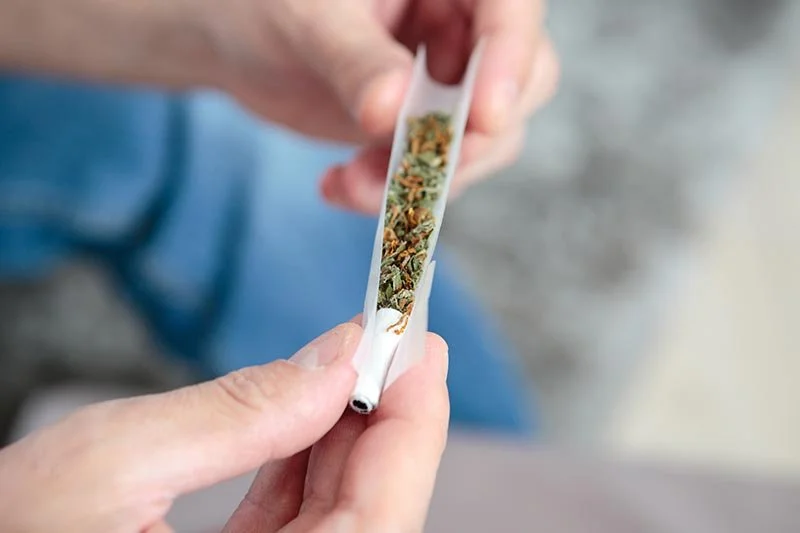
Rolling Joints: Guide to Techniques, Paper Types, and Infusions
Are you ready to elevate your cannabis experience to a new level? Rolling joints is an essential skill for any enthusiast, and it's time to become a master at it. In this comprehensive guide, we'll take you through the art of rolling joints step by step. From the physical techniques that shape a perfect joint to the different paper types and their unique smoking experiences, we'll cover it all. Additionally, we'll explore the world of infused joints, where extra potency and exciting flavors take your smoking pleasure to a whole new dimension. So, let's dive in and discover the secrets of rolling joints like a pro!

Rolling joints is an integral part of cannabis culture, and it's an art form that many enthusiasts take pride in mastering. Whether you're a seasoned veteran or a beginner exploring this world, this comprehensive guide will cover everything you need to know about rolling joints. From the physical rolling techniques to grinding and prep, paper types, crutches, and the differences between plain and infused joints, we've got you covered.
Physically Rolling Techniques
Rolling a joint is an acquired skill that improves with practice. Here are the basic steps to get you started:
Grind the Herb: Before rolling, finely grind your cannabis. This ensures an even burn and optimal flavor.
Choose Your Paper: Select rolling papers based on your preference. Popular choices include rice, hemp, and wood pulp papers. Experiment with different brands and sizes to find the one that suits you best.
Create the Shape: Hold the rolling paper with the adhesive strip facing you. Place the ground cannabis in the center, shaping it into a cylindrical form with your fingers.
Tuck and Roll: Use your thumbs and forefingers to roll the paper back and forth, tucking the cannabis inside while shaping the joint. Once the joint takes form, lick the adhesive strip and seal the deal.
Pack and Twist: Gently pack the open end of the joint to ensure an even burn. Twist the tip to seal the joint and prevent spillage.
Grinding & Prep
Grinding your cannabis is a crucial step that affects the joint's overall smoking experience. A quality grinder ensures consistency, making it easier to roll. Some additional tips include:
Investing in a Grinder: Purchase a high-quality grinder with multiple compartments for catching kief. A good grinder makes the process easier and saves your fingers from getting sticky.
Not Too Fine, Not Too Coarse: Aim for a medium grind; extremely fine cannabis can make rolling difficult, while coarse chunks may result in uneven burning.
Removing Stems and Seeds: Before grinding, pick out any stems and seeds, as they can negatively impact the taste and texture of the joint.
Paper Types
Rolling papers come in various materials and sizes, each offering a unique smoking experience:
Rice Papers: Thin and almost translucent, rice papers provide a clean taste and burn slower than other options.
Hemp Papers: Environmentally friendly and easy to roll, hemp papers offer a smooth, natural taste.
Wood Pulp Papers: A popular choice for beginners due to their ease of use and availability, wood pulp papers offer a balanced burn.
Flavored Papers: For those looking to add some excitement, flavored papers come in a variety of tastes, enhancing the smoking experience.
Crutches
Crutches, also known as tips or filters, are small, stiff pieces of paper or cardboard that serve multiple purposes:
Stability: Crutches give the joint structure, preventing it from collapsing or clogging.
Roach Clip: They act as a handle to hold the joint, especially as it burns down to the end.
Better Airflow: Crutches create better airflow, resulting in smoother and more enjoyable puffs.
Plain vs. Infused Joints
Plain joints and infused joints offer different experiences:
Plain Joints: The classic choice, plain joints contain only ground cannabis. They provide the natural taste and effects of the strain you choose.
Infused Joints: These joints are packed with an extra punch. Infusions can include concentrates like wax, shatter, or oils, adding potency and unique flavors.
Rolling joints is an art that combines creativity, technique, and personal preference. With the right tools, materials, and practice, you can become a master at rolling your joints. Remember to experiment with different paper types, try various grinding methods, and don't hesitate to explore infused joints for an extra kick. Enjoy the process, respect the plant, and roll on!
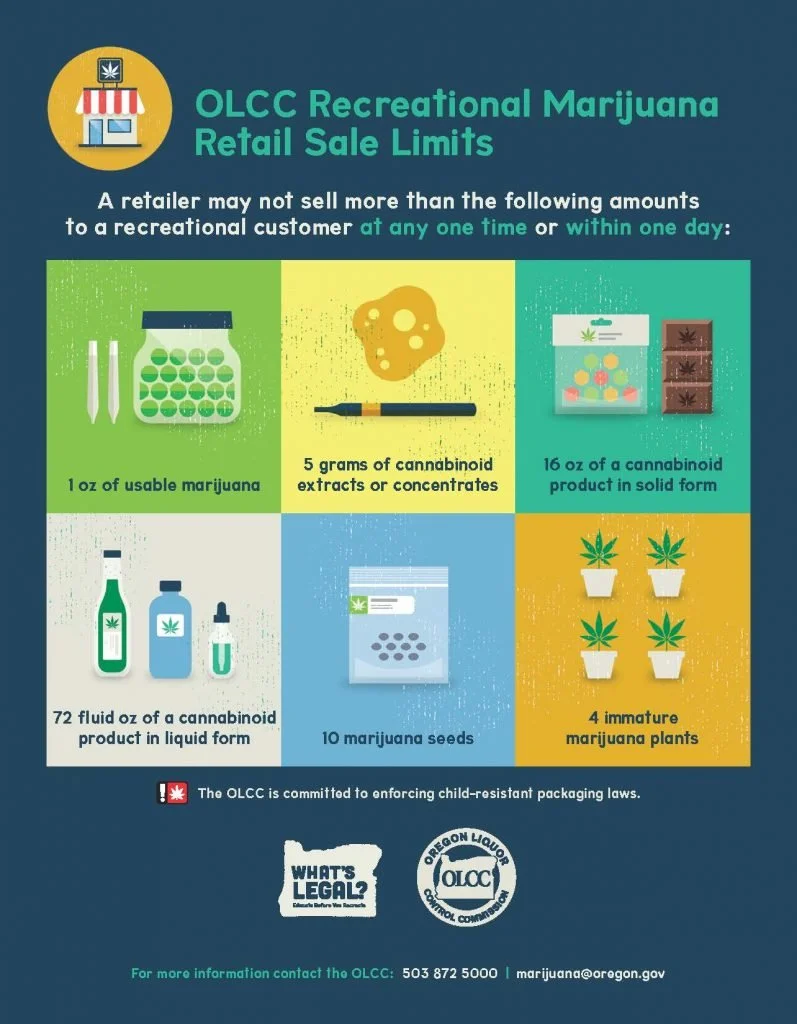
The 2026 Guide to Oregon Cannabis Limits: Shop Smart at Green Health Eugene
Are you curious about the purchasing limits for cannabis products in Oregon? Look no further! In this comprehensive guide, we delve into the maximum purchasing amounts for various categories such as flower, concentrates, infused drinks, and solid edibles.
The 2026 Guide to Oregon Cannabis Limits: Shop Smart at Green Health Eugene
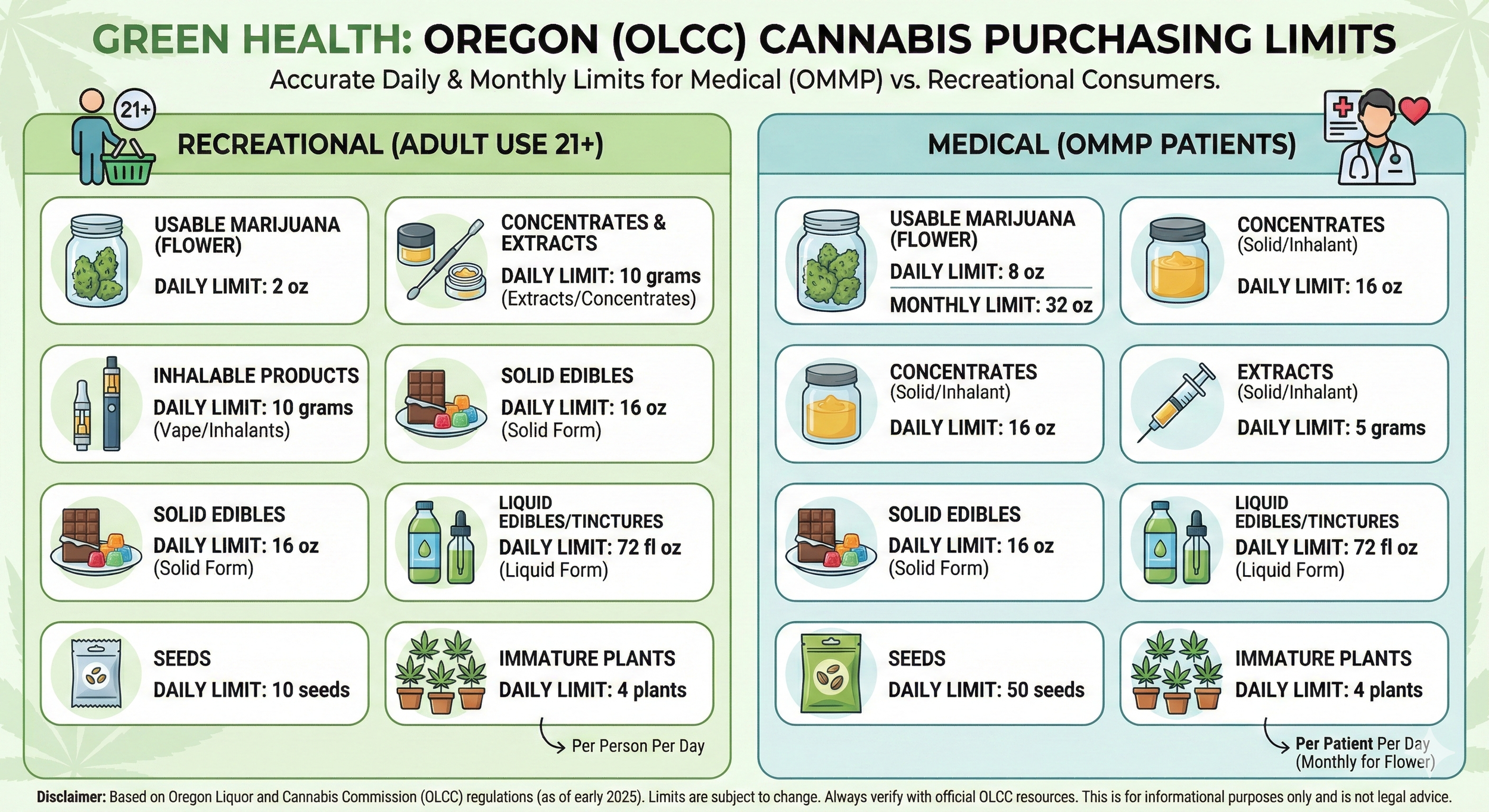
A quick reference guide to the 2025 OLCC recreational purchasing limits at Green Health Eugene.
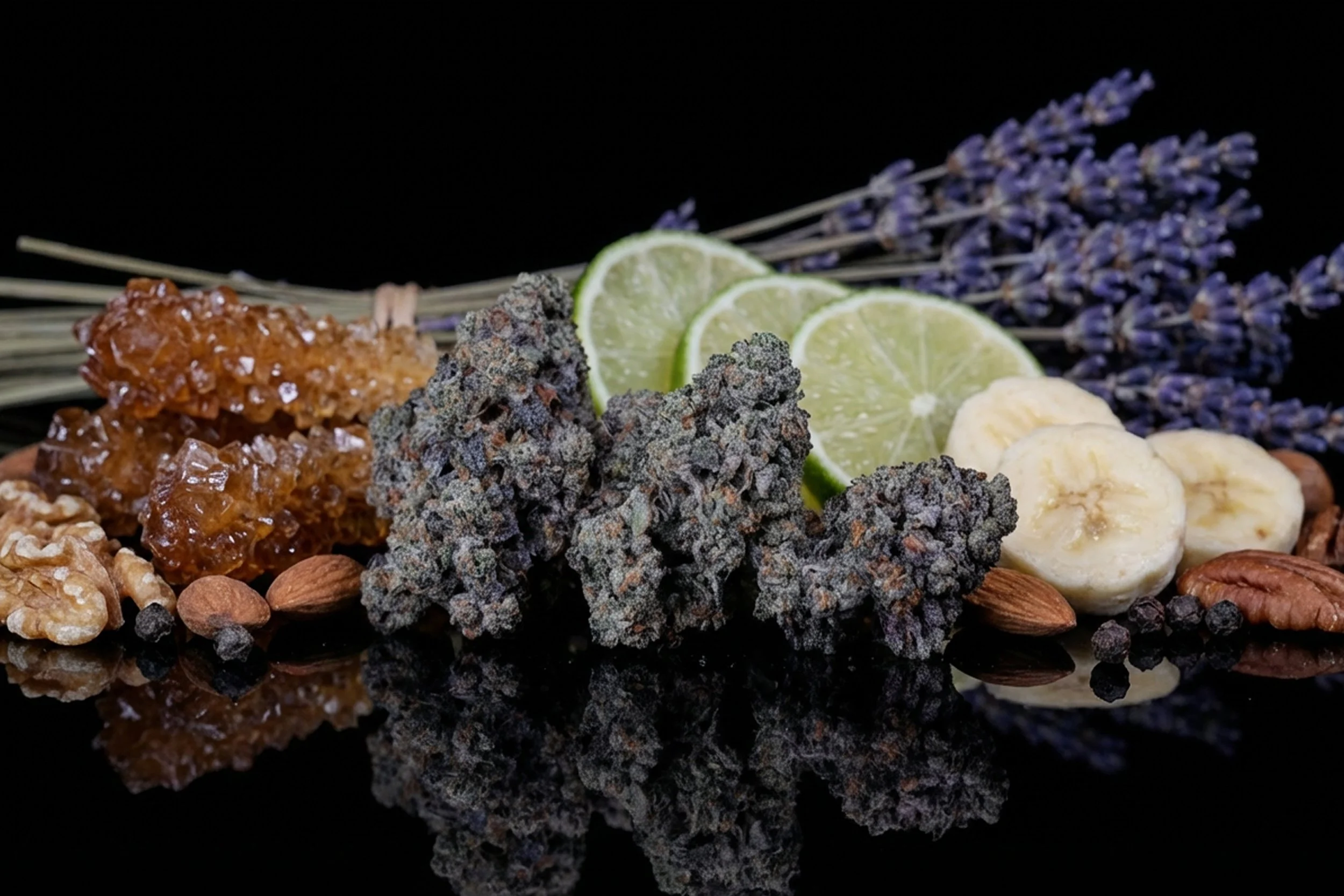
Payton’s Pie - Eugreen
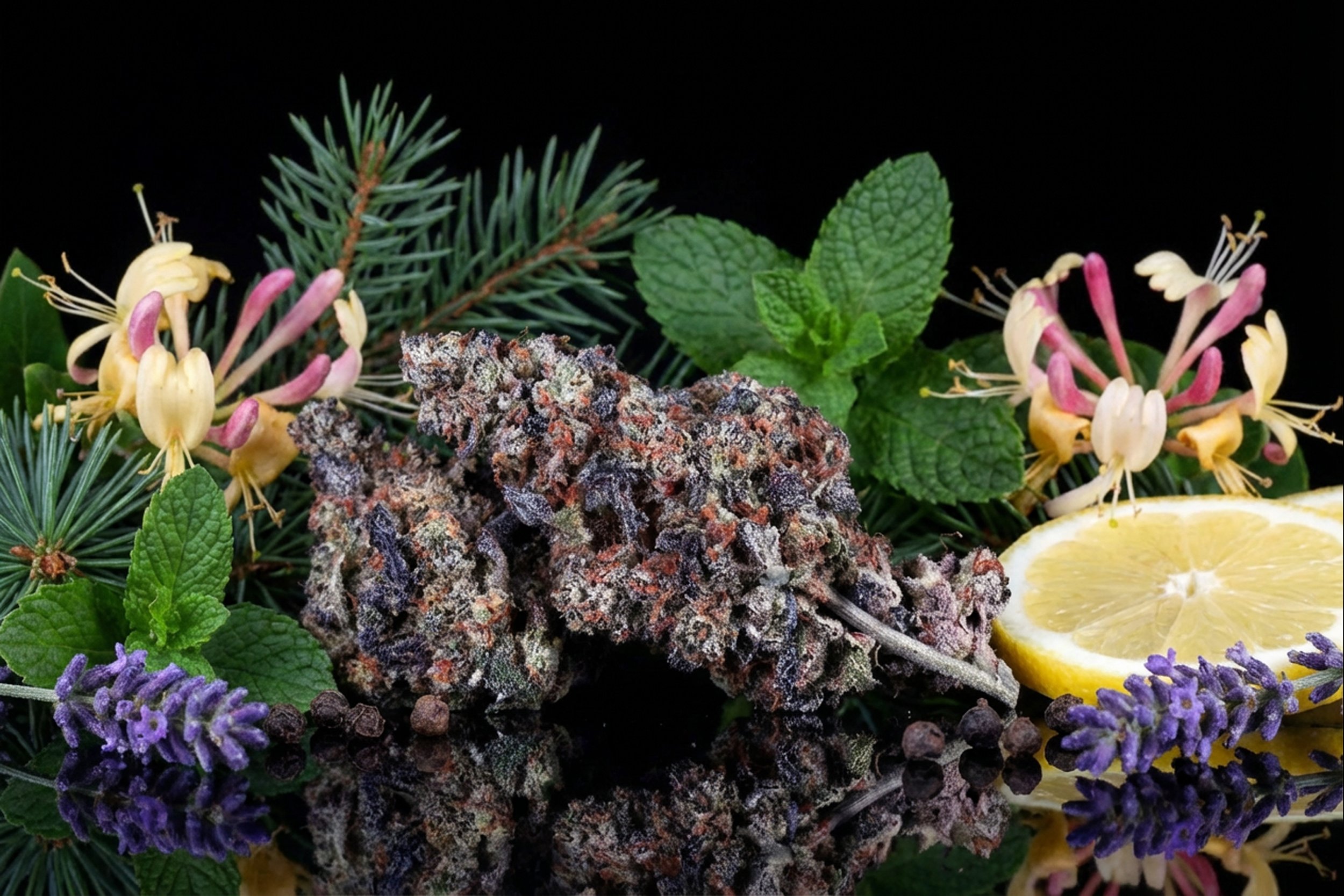
Bankroll- Herbal Dynamics
Yet nother year of enjoying the best cannabis the Pacific Northwest has to offer. As we settle into 2026, navigating the rules of the Oregon Liquor and Cannabis Commission (OLCC) is key to a stress-free dispensary visit.
Whether you are a recreational enthusiast swinging by our shop on Highway 99 or a dedicated OMMP cardholder, understanding the current 2026 purchasing limits ensures your visit to Green Health Eugene is compliant and fully stocked.
Here is the definitive breakdown of exactly what you can legally purchase per day, per transaction at our dispensary this year.
Recreational Purchasing Limits (21+)
For adult-use customers (ages 21 and over), Oregon continues to offer robust daily limits. If you are planning a weekend get-together or just stocking up your head stash, you have plenty of room to work with.
Here is what you can legally purchase in a single day at Green Health Eugene in 2026:
Usable Marijuana (Flower/Bud): Up to 2 Ounces (56 grams).
Browse our full flower selection — over 40 strains from Oregon craft growers.
Concentrates & Extracts:Up to 10 Grams. (This includes dabs, shatter, rosin, and badder).
See our concentrates menu for live rosin, RSO, shatter, and more — starting at $10/g.
Inhalable Products: Up to 10 Grams. (This category covers vape cartridges and disposable vapes).
Edibles (Solid): Up to 16 Ounces of total product weight.
Beverages (Liquid): Up to 72 Fluid Ounces.
Check our pre-roll selection — hand-rolled in-house singles and flight packs.
Browse our topicals and tinctures for pain relief, sleep, and everyday wellness — 15% off Wednesdays and Sundays.
Seeds: Up to 10 Seeds.
Immature Plants: Up to 4 Plants.
Pro Tip: These limits are cumulative. You don't have to choose between flower and edibles. You can buy your full 2 ounces of flower AND your 10 grams of concentrate AND your edibles all in one visit.
Medical (OMMP) Purchasing Limits
We proudly serve the medical community with compassionate service. If you hold a valid Oregon Medical Marijuana Program (OMMP) card in 2026, your purchasing power for flower remains significantly higher than recreational customers:
Usable Marijuana (Flower): Up to 24 Ounces per day.
Edibles & Concentrates: Medical patients generally follow similar volume limits to recreational users for processed goods, but you have exclusive access to high-potency edibles (often 100mg+ per package) that are not available on the rec menu.
Possession vs. Purchasing
It is important to remember that purchasing limits (what you buy at the counter) and public possession limits (what you carry in your pocket) are legally distinct.
Public Possession: 2 ounces of usable marijuana.
Private Home Limits: Up to 8 ounces of usable marijuana.
Always transport your goods safely—keep them in the child-proof exit bag we provide until you are safely home!
Why Eugene Locals Choose Green Health
Located conveniently on State Hwy 99 N, Green Health Eugene is your local community hub.
Fresh Drops: We are spotlighting new 2026 strains from top Willamette Valley growers.
Daily Deals: We keep prices competitive for our neighbors.
Veteran Discounts: We honor those who served with 15% off.
Whether you need to max out your limit for a Duck game or just grab a pre-roll, our "cozy, not corporate" vibe makes us the go-to stop in the Whit.
Product Review
⭐⭐⭐⭐⭐ "My Go-To Spot in 2026!"
"I've been shopping at Green Health for years, and they just keep getting better. I went in to grab my limit for a camping trip, and the budtender was super helpful explaining the current rules so I could max out on flower and vapes legally. The prices on the Dutchie menu are accurate—what you see is what you pay. Love the local vibe."
— Anonymous Customer, Verified Purchase (via Dutchie)
Ready to Shop?
Check out our live menu to see what’s in stock. We update our inventory in real-time so you can browse strains, check THC percentages, and compare prices before you arrive.
or learn more about [finding a dispensary near you in Eugene] — we're open daily 9am–9pm with Visa and Mastercard accepted.
Shop Green Health Eugene
Visa & Mastercard with no fee · Daily deals · Open 9 AM – 9 PM · 607 Hwy 99 N
Store Hours, Deals & DirectionsFrom Our Counter — What We See at Checkout
After 10+ years at the register, here are the mix-ups we clear up most often:
"I thought I could only buy one ounce?" — Oregon's recreational limit is 2 ounces of flower per day. Our $100/2oz deal is built around that exact limit.
"Can I buy flower AND edibles in the same trip?" — Yes. The limits are per category, not combined. You can walk out with 2 oz of flower, 10g of concentrates, and edibles all in one visit.
"I'm from out of state — can I buy here?" — Absolutely. Any valid government ID proving you're 21+ works. We see out-of-state visitors every day, especially travelers coming from the airport.
— Green Health Eugene budtender team, serving Eugene since 2014
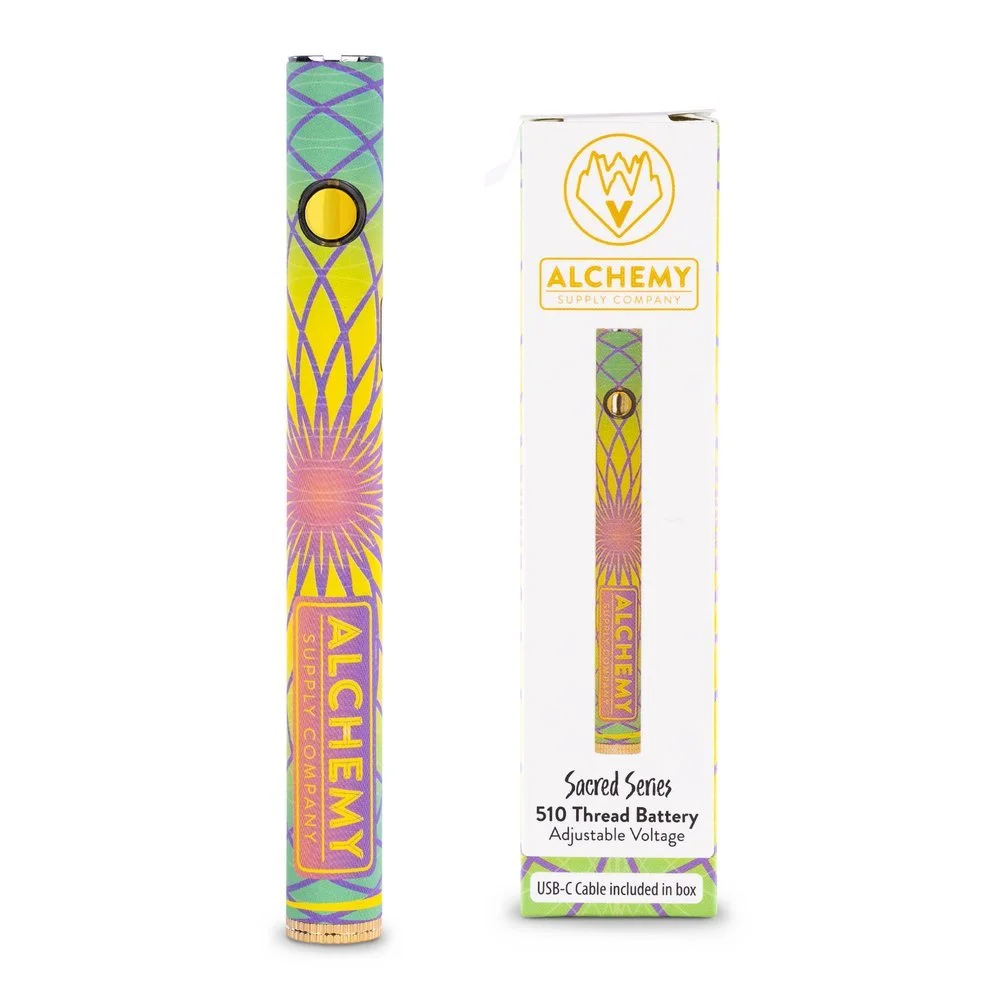
A Comprehensive Guide to 510 Thread Cannabis Cartridge Batteries
Are you curious about 510 thread cannabis cartridge batteries? Look no further! In this comprehensive guide, we'll delve into the world of 510 thread batteries, covering essential topics such as charging, capacity, maintenance, troubleshooting, and the different types of batteries available. Whether you're a beginner or a seasoned vape enthusiast, this article will equip you with the knowledge to make the most of your cannabis vaping experience.

In recent years, cannabis consumption has seen a significant shift towards vape cartridges, and 510 thread batteries have emerged as a popular choice for powering these cartridges. If you're new to the world of cannabis vaping or looking to enhance your knowledge, this comprehensive guide will cover everything you need to know about 510 thread cannabis cartridge batteries. From charging and capacity to maintenance and troubleshooting, we'll explore the different types of batteries and offer tips to ensure optimal performance.
Understanding 510 Thread Cartridge Batteries
510 thread cannabis cartridge batteries are the industry standard for powering vape cartridges. The term "510" refers to the thread size used to connect the cartridge to the battery. These batteries typically have a cylindrical shape and a universal design that allows them to work with various cartridges from different manufacturers.
Charging and Capacity
Charging your 510 thread battery is a crucial aspect of maintaining its performance. Most batteries come with a USB charger, which can be plugged into a compatible power source such as a computer or wall adapter. It's important to follow the manufacturer's instructions regarding charging time and usage to avoid any potential issues.
The battery capacity, measured in milliampere-hours (mAh), determines how long the battery will last between charges. Higher mAh ratings generally indicate longer battery life. Consider your usage habits and select a battery with an appropriate capacity to ensure it meets your needs.
Proper Use and Maintenance
To use a 510 thread cartridge battery, simply screw the cartridge onto the battery until it is securely attached. Some batteries have a magnetic connection, eliminating the need for threading. Once the cartridge is attached, you can start inhaling or pressing the activation button, depending on the type of battery.
Maintenance is essential for optimal performance and longevity. Clean the battery contacts periodically using a cotton swab or alcohol wipe to remove any buildup of residue. Avoid exposing the battery to extreme temperatures, as this can degrade performance and shorten its lifespan.
Troubleshooting Common Issues
Despite their convenience, 510 thread cartridge batteries may encounter occasional issues. Here are some common problems and tips to resolve them:
a. Cartridge not working properly: If the cartridge is not hitting properly, ensure that it is tightly screwed onto the battery. Additionally, check for any clogs in the cartridge's airway and clean it if necessary.
b. Battery not charging: If your battery is not charging, try using a different charging cable or USB port. If the issue persists, contact the manufacturer for further assistance.
c. Weak hits or low vapor production: This could indicate a low battery charge or a cartridge that needs to be replaced. Charge the battery fully or try a different cartridge to troubleshoot the issue.
Different Types of Batteries
There are three main types of 510 thread cartridge batteries:
a. Draw-activated batteries: These batteries are activated by inhaling through the cartridge. They provide a user-friendly experience, as there's no need to press any buttons.
b. Button-activated batteries: These batteries require you to press a button to activate the heating element. They offer more control over the vaping experience and are commonly found in variable voltage batteries.
c. Dial or variable voltage batteries: These batteries allow you to adjust the voltage output, offering the flexibility to customize your vaping experience. Lower voltage settings may provide milder hits, while higher settings can produce more intense vapor.
510 thread cannabis cartridge batteries are a popular choice for vaping enthusiasts due to their compatibility and ease of use. By understanding the basics of charging, capacity, maintenance, and troubleshooting, you can maximize the performance and longevity of your battery.
Title: Unveiling the Cannabis Entourage Effect: Exploring Cannabinoids, Terpenes, and Their Synergistic Interactions
Did you know that the cannabis plant holds a secret to its diverse effects? It's called the entourage effect, and it involves a fascinating interplay between cannabinoids and terpenes found in cannabis. In this article, we dive deep into the chemical level interactions, unraveling the mysteries of how different compounds work together to create a symphony of effects.

The cannabis plant contains a multitude of compounds that work together to produce a wide range of effects. This phenomenon, known as the entourage effect, is a result of the complex interactions between cannabinoids and terpenes found in cannabis. In this article, we delve into the chemical level interactions of different cannabinoids and terpenes, their varying effects, and the potential benefits of combining THC with CBD or other minor cannabinoids.
Cannabinoids are chemical compounds found in the cannabis plant that interact with the body's endocannabinoid system (ECS). While THC (tetrahydrocannabinol) is the most well-known cannabinoid for its psychoactive effects, there are many other important cannabinoids worth exploring.
CBD (cannabidiol), for instance, has gained significant attention for its potential therapeutic properties, including anti-inflammatory, analgesic, and anxiolytic effects, without inducing the intoxicating effects associated with THC. Other minor cannabinoids like CBG (cannabigerol), CBN (cannabinol), and CBC (cannabichromene) have also shown promise in various medical applications.
Terpenes are aromatic compounds found in numerous plants, including cannabis. They are responsible for the distinctive scents and flavors associated with different strains. However, terpenes offer more than just pleasant aromas—they contribute to the overall effects of cannabis through their interactions with cannabinoids and other receptors in the body.
For example, the terpene myrcene has been found to enhance the effects of THC by promoting its absorption through the blood-brain barrier. Limonene, another common terpene, has shown potential as an anti-anxiety and mood-enhancing compound. Each terpene possesses unique properties that can modify the overall experience and potential therapeutic benefits of cannabis.
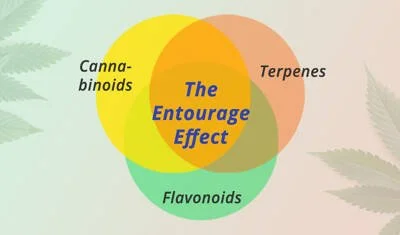
The entourage effect refers to the synergistic interactions between cannabinoids, terpenes, and other cannabis compounds. Rather than working in isolation, these components work together to produce enhanced effects, making the whole plant greater than the sum of its parts.
When THC and CBD are combined, for instance, CBD can modulate the psychoactive effects of THC, reducing anxiety and mitigating potential adverse side effects. Similarly, the presence of terpenes can influence the pharmacological properties of cannabinoids, resulting in a more nuanced and tailored experience.
Different strains of cannabis exhibit unique combinations and concentrations of cannabinoids and terpenes, leading to varying effects on the mind and body. Understanding these effects can help individuals select strains that align with their desired outcomes.
For example, high-THC strains are often associated with euphoria and relaxation, while CBD-dominant strains are sought after for their potential pain-relieving and anti-inflammatory properties. Hybrid strains, which contain a balance of both THC and CBD, can offer a more customized experience based on individual needs.
The cannabis entourage effect highlights the importance of the interplay between cannabinoids and terpenes in producing the diverse effects of the plant. By harnessing these synergistic interactions, individuals can explore tailored cannabis experiences that address their specific needs. As research in this area continues to expand, we gain a deeper understanding of how cannabis compounds work together to unlock the plant's full potential for medicinal and therapeutic applications.
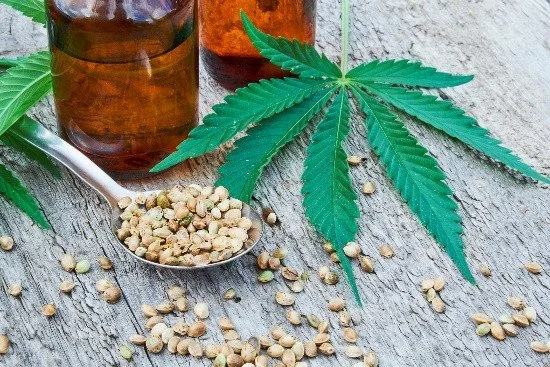
CBD: Unlocking the Healing Potential for Optimal Wellness
Discover the incredible healing potential of CBD as we delve into its medicinal uses, the entourage effect, and various delivery methods. From relieving chronic pain to promoting mental well-being, CBD offers a natural solution for a wide range of health conditions.

Cannabidiol, commonly known as CBD, has gained significant attention in recent years for its potential therapeutic benefits. Derived from the cannabis plant, CBD is a non-intoxicating compound that offers a wide range of medicinal uses. In this article, we will explore the medicinal properties of CBD, the entourage effect, the benefits of using CBD individually versus in combination with other cannabinoids, and the various mediums through which CBD can be consumed.
Medicinal Uses of CBD
CBD has demonstrated promising results in treating various health conditions. Extensive research suggests that CBD may be effective in relieving chronic pain, reducing inflammation, alleviating anxiety and depression, managing epilepsy and seizures, improving sleep disorders, and supporting overall mental well-being. Furthermore, CBD has shown potential in combating acne and promoting skin health, as well as aiding in addiction recovery and reducing the side effects of cancer treatments.
The Entourage Effect
The entourage effect refers to the synergistic interaction of multiple compounds present in the cannabis plant, including CBD, other cannabinoids (such as THC), terpenes, and flavonoids. These compounds work together to enhance each other's therapeutic effects. While CBD alone can offer numerous benefits, combining it with other cannabinoids may lead to more potent and diverse medicinal properties. This phenomenon highlights the importance of using full-spectrum or broad-spectrum CBD products that retain multiple plant compounds.
Individual Use vs. Combined Cannabinoids
CBD can be used individually or in conjunction with other cannabinoids, depending on the desired effects. When used alone, CBD offers a more balanced experience without the intoxicating effects typically associated with THC. This makes it suitable for individuals seeking relief from pain, anxiety, or inflammation while maintaining mental clarity. On the other hand, combining CBD with THC can be beneficial for certain conditions where both compounds complement each other's effects, such as in managing chronic pain or nausea.
Types of Mediums for CBD Consumption
CBD is available in various delivery methods to accommodate individual preferences and needs. Some common mediums include:
CBD Oil/Tinctures: CBD oils are one of the most popular forms of CBD. They are typically consumed sublingually, allowing for rapid absorption into the bloodstream. CBD tinctures come with a dropper for precise dosage control.
Edibles: CBD-infused edibles, such as gummies, chocolates, and beverages, offer a convenient and discreet way to consume CBD. They provide a longer-lasting effect as they pass through the digestive system.
Topicals: CBD topicals, such as creams, lotions, and balms, are applied directly to the skin. They are primarily used for localized pain relief, reducing inflammation, and improving skin conditions.
Vaping: CBD vape pens or e-cigarettes allow for inhalation of CBD-infused vapor. Vaping provides quick absorption into the bloodstream but may not be suitable for everyone due to potential lung health concerns.
Capsules: CBD capsules and softgels offer a pre-measured dosage, making them convenient for consistent daily use. They are swallowed and metabolized like any other oral medication.
Suppositories: CBD suppositories are inserted rectally or vaginally and provide a targeted approach for conditions like pelvic pain, menstrual cramps, or certain gastrointestinal issues.
CBD has emerged as a powerful natural remedy with potential therapeutic benefits for a wide range of health conditions. Its ability to interact with the body's endocannabinoid system, coupled with the entourage effect, makes CBD a versatile compound. Whether used individually or in combination with other cannabinoids, CBD shows promise in supporting overall well-being and providing relief from various ailments.
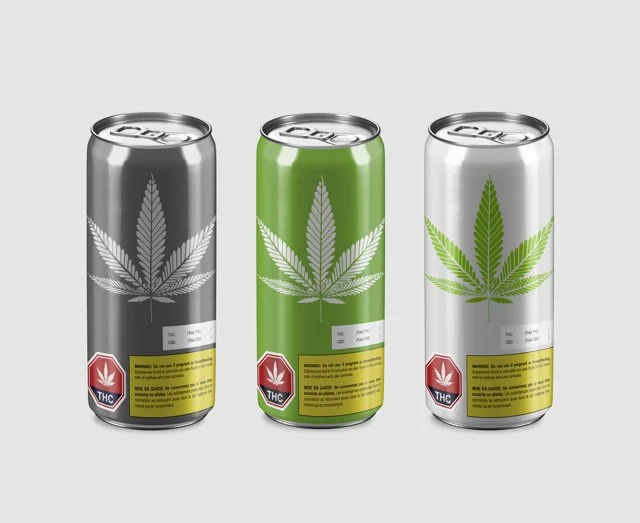
Unveiling the Delight: Cannabis Drinks, Syrups, and Infused Beverages
Whether you're seeking a refreshing and discreet way to consume cannabis or simply looking to broaden your cannabis horizons, this article will be your guide. Get ready to elevate your senses and discover the delightful world of cannabis drinks—where taste meets potency and convenience meets enjoyment.

Cannabis-infused beverages have gained immense popularity in recent years, offering a convenient and enjoyable way to consume cannabis. While tinctures are commonly known, this blog will focus on cannabis syrups and infused drinks. These delightful concoctions provide an alternative to smoking or traditional edibles, allowing users to experience the benefits of cannabis in a refreshing and convenient manner.
Mediums for Cannabis Syrups and Infused Drinks
Cannabis syrups and infused drinks come in various mediums, offering a wide range of options to suit different preferences. Some popular mediums include:
Fruit-Based Syrups: These syrups are infused with cannabis extracts and blended with fruit flavors. They can be added to beverages like water, soda, or cocktails to create a delicious cannabis-infused drink.
Carbonated Beverages: Cannabis-infused carbonated drinks, such as cannabis-infused sodas or sparkling waters, are increasingly popular. They provide a fizzy and refreshing way to consume cannabis.
Coffee and Tea Infusions: Cannabis can be infused into coffee or tea, offering a discreet and enjoyable way to start the day or relax in the evening. These infusions often contain measured doses, allowing users to control their intake.
Ready-to-Drink Beverages: Pre-packaged, ready-to-drink cannabis-infused beverages are also available. These range from flavored waters to energy drinks, providing convenience for on-the-go consumption.
How Cannabis Syrups and Infused Drinks Are Made
Cannabis syrups and infused drinks are crafted through a meticulous process that involves extracting cannabinoids from the cannabis plant and infusing them into the desired medium. The process typically involves the following steps:
Decarboxylation: Raw cannabis flowers or concentrates are heated to convert non-psychoactive cannabinoids (like THCA) into their active forms (like THC).
Extraction: The decarboxylated cannabis is then mixed with a solvent, such as ethanol or CO2, to extract the desired cannabinoids and terpenes. This creates a cannabis concentrate that is rich in active compounds.
Infusion: The cannabis concentrate is carefully blended with the chosen medium, such as fruit syrups or carbonated beverages. This allows the cannabinoids and terpenes to become evenly distributed throughout the drink.
Homogenization: To ensure consistent potency, the infused beverage undergoes homogenization, where it is mixed thoroughly to disperse the cannabis extract evenly.
Potency and Effects of Cannabis Drinks
The potency of cannabis drinks can vary depending on several factors, including the type of cannabis used, the extraction method, and the dosage. It is crucial to understand the potency of a product before consuming it to ensure a comfortable experience.
Cannabis drinks can offer quicker onset and effects compared to traditional edibles. When ingested, the cannabinoids are absorbed through the digestive system and metabolized by the liver, which can result in a delayed onset of effects. However, the effects of cannabis drinks are often felt sooner because the cannabinoids bypass the lengthy digestion process and enter the bloodstream directly through the stomach lining.
Hard-Hitting and Metabolism
Cannabis drinks can provide a harder-hitting experience due to the increased bioavailability of cannabinoids. The digestive system efficiently absorbs cannabinoids when consumed with food or in lipid-based mediums like oils or syrups. This enhanced absorption can result in more pronounced effects compared to other consumption methods.
Metabolism rates can vary from person to person, but cannabis drinks are generally metabolized at a similar pace to other edible cannabis products. Factors such as body weight, metabolism, and tolerance levels can influence how quickly the effects are felt and how long they last.
Cannabis syrups and infused drinks offer a delightful and convenient way to enjoy the benefits of cannabis. With a wide range of mediums and flavors available, users can find a drink that suits their preferences. These beverages provide a quicker onset of effects, thanks to their unique absorption process, and can deliver a harder-hitting experience. Remember to start with low doses and carefully monitor your consumption to ensure a safe and enjoyable experience with cannabis drinks.
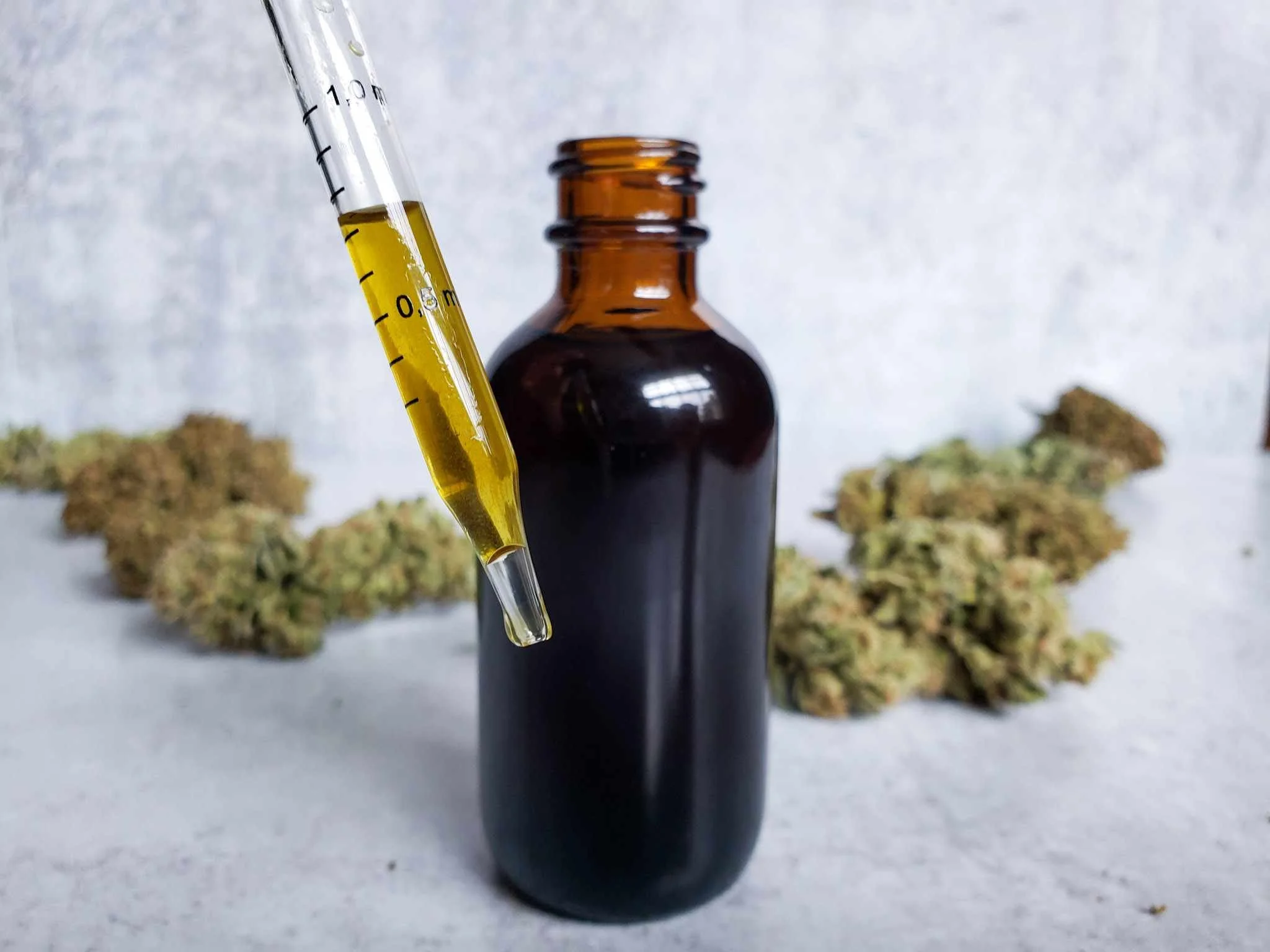
Cannabis Tinctures: A Comprehensive Guide
Are you curious about cannabis tinctures? Dive into our ultimate guide and unlock the wealth of knowledge about these powerful extracts. Explore various types of tinctures, from alcohol-based to oil-based options, and understand the different cannabinoids they harness.

Cannabis tincture bottle with dropper in front, offering a precise dosage measurement.
Cannabis tinctures have become increasingly popular as a discreet and convenient method of consuming cannabis for medicinal purposes. In this blog post, we will delve into the world of cannabis tinctures, covering their types, cannabinoids, solvent methods, and the medicinal benefits they offer, including their effectiveness as a sleep aid.
Types of Cannabis Tinctures
Alcohol-Based Tinctures: Alcohol-based tinctures are made by extracting cannabinoids and other beneficial compounds from cannabis using high-proof alcohol. These tinctures are widely available and valued for their long shelf life and ease of use.
Oil-Based Tinctures: Oil-based tinctures involve infusing cannabis plant material with a carrier oil, such as coconut oil or MCT oil. This type of tincture is often preferred by individuals who wish to avoid alcohol-based products.
Cannabinoids in Tinctures
THC (Delta-9-Tetrahydrocannabinol): THC is the primary psychoactive compound found in cannabis. Tinctures with higher THC concentrations are commonly used for pain relief, appetite stimulation, and relaxation.
CBD (Cannabidiol): CBD is a non-psychoactive compound known for its potential therapeutic benefits, including anti-inflammatory, analgesic, and anxiolytic effects. CBD-dominant tinctures are sought after for their medicinal properties.
Other Cannabinoids: Cannabis plants contain numerous other cannabinoids, such as CBG (cannabigerol), CBC (cannabichromene), and CBN (cannabinol). Full-spectrum or broad-spectrum tinctures that include these cannabinoids may provide unique effects and potential health benefits.
Solvent Methods
Alcohol Extraction: This method involves soaking cannabis plant material in high-proof alcohol to extract cannabinoids and other compounds. After the desired extraction period, the liquid is strained, resulting in a potent tincture.
Oil Infusion: Oil-based tinctures are created by infusing cannabis plant material with a carrier oil. This process often involves heating the oil and cannabis together to facilitate the extraction of cannabinoids into the oil.
Medicinal Use of Cannabis Tinctures, including Sleep Aid
Pain Relief: Cannabis tinctures, particularly those with balanced THC and CBD content, have shown promise in alleviating chronic pain conditions such as arthritis, neuropathy, and fibromyalgia.
Anxiety and Stress Reduction: Tinctures high in CBD content are frequently used to manage anxiety, stress, and promote a sense of calmness without the psychoactive effects of THC.
Sleep Aid: Cannabis tinctures, specifically those with higher levels of CBN, a sedative cannabinoid, are often favored for their potential to promote restful sleep.
Anti-inflammatory Effects: Both THC and CBD possess anti-inflammatory properties, making cannabis tinctures potentially beneficial for individuals dealing with inflammatory conditions like multiple sclerosis or rheumatoid arthritis.
Nausea and Appetite Stimulation: THC-dominant tinctures can help stimulate appetite and alleviate nausea, making them valuable for individuals undergoing chemotherapy or suffering from conditions that suppress appetite.
Cannabis tinctures offer a versatile and discreet method of consuming cannabis for medicinal purposes. Understanding the different types of tinctures, the cannabinoids they contain, and their extraction methods allows individuals to choose the most suitable tincture for their specific needs. Whether seeking pain relief, relaxation, or a good night's sleep, cannabis tinctures provide an accessible and effective option for holistic well-being.
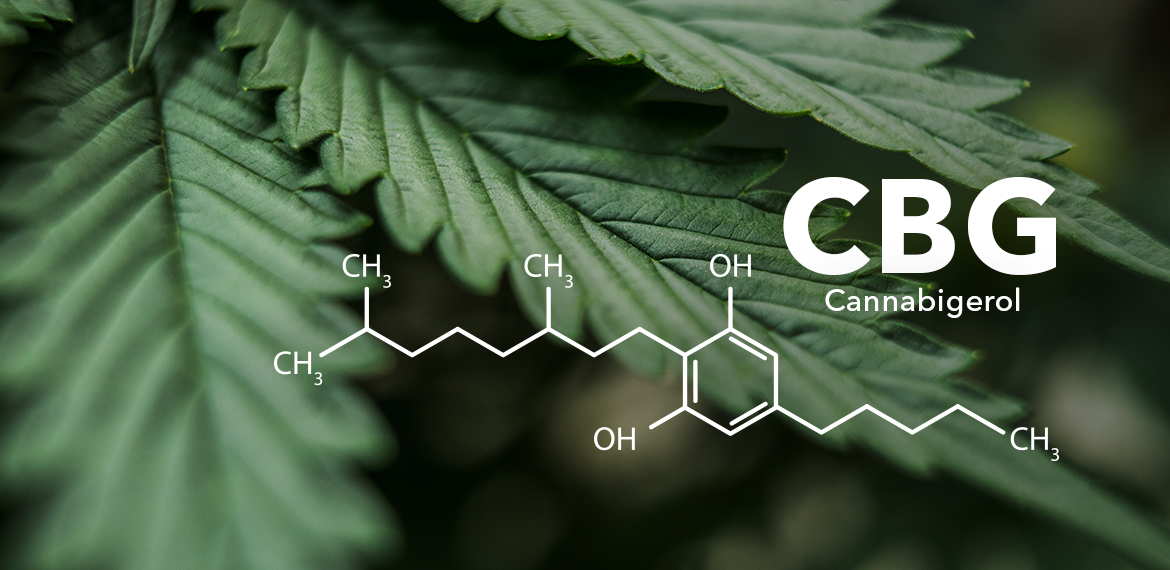
Understanding CBG: The Promising Cannabinoid in Cannabis
In the world of cannabis, there's a rising star making waves—cannabigerol (CBG). Discover the effects, uses, and presence of CBG in edibles. Learn why this cannabinoid is capturing attention and how it may offer a host of therapeutic benefits.

As the cannabis industry continues to evolve, the focus on individual cannabinoids and their potential benefits has intensified. One such cannabinoid that has gained considerable attention is cannabigerol (CBG). In this blog post, we will delve into the world of CBG, exploring its effects, uses, and its presence in edibles, shedding light on its potential and significance in the realm of cannabis.
Cannabigerol (CBG) is a non-psychoactive cannabinoid found in cannabis plants. CBG is considered a precursor to other cannabinoids, such as THC and CBD, as it is one of the first compounds produced in the plant's life cycle. Although typically found in lower concentrations compared to THC and CBD, recent advancements in cultivation techniques have allowed for increased CBG-rich strains to be developed.
CBG interacts with the body's endocannabinoid system (ECS), which regulates various physiological processes. While research on CBG is still in its early stages, preliminary studies suggest potential therapeutic effects. CBG has been found to exhibit anti-inflammatory properties, potentially aiding in conditions like inflammatory bowel disease and neurodegenerative disorders. Additionally, CBG has shown promise as an analgesic, neuroprotectant, and anti-anxiety agent, although further research is needed to fully understand its potential benefits.
Edibles are a popular method of consuming cannabis, and the incorporation of CBG in these products provides an alternative way to experience its potential benefits. CBG-infused edibles offer a discreet and convenient option for users, enabling precise dosing and prolonged effects. Manufacturers are exploring creative ways to introduce CBG into a variety of edible products, including gummies, chocolates, and beverages, allowing consumers to enjoy the potential therapeutic effects of CBG in a delicious and accessible manner.
Apart from its standalone applications, CBG has shown promise in combination with other cannabinoids, known as the entourage effect. Researchers believe that CBG's interaction with other cannabinoids and terpenes may enhance its potential benefits. This synergistic effect could be particularly beneficial for individuals seeking relief from conditions such as chronic pain, anxiety, and insomnia. CBG is also being studied for its potential role in inhibiting the growth of cancer cells and reducing intraocular pressure in glaucoma patients. However, it is important to note that more research is needed to fully understand and validate these potential uses.
CBG, with its growing recognition and potential therapeutic effects, is an exciting addition to the world of cannabis. As research continues to unfold, CBG's various applications and benefits are gradually coming to light. From its effects on the body to its potential role in edibles, CBG offers a new realm of possibilities, demonstrating the vast potential of cannabinoids beyond THC and CBD
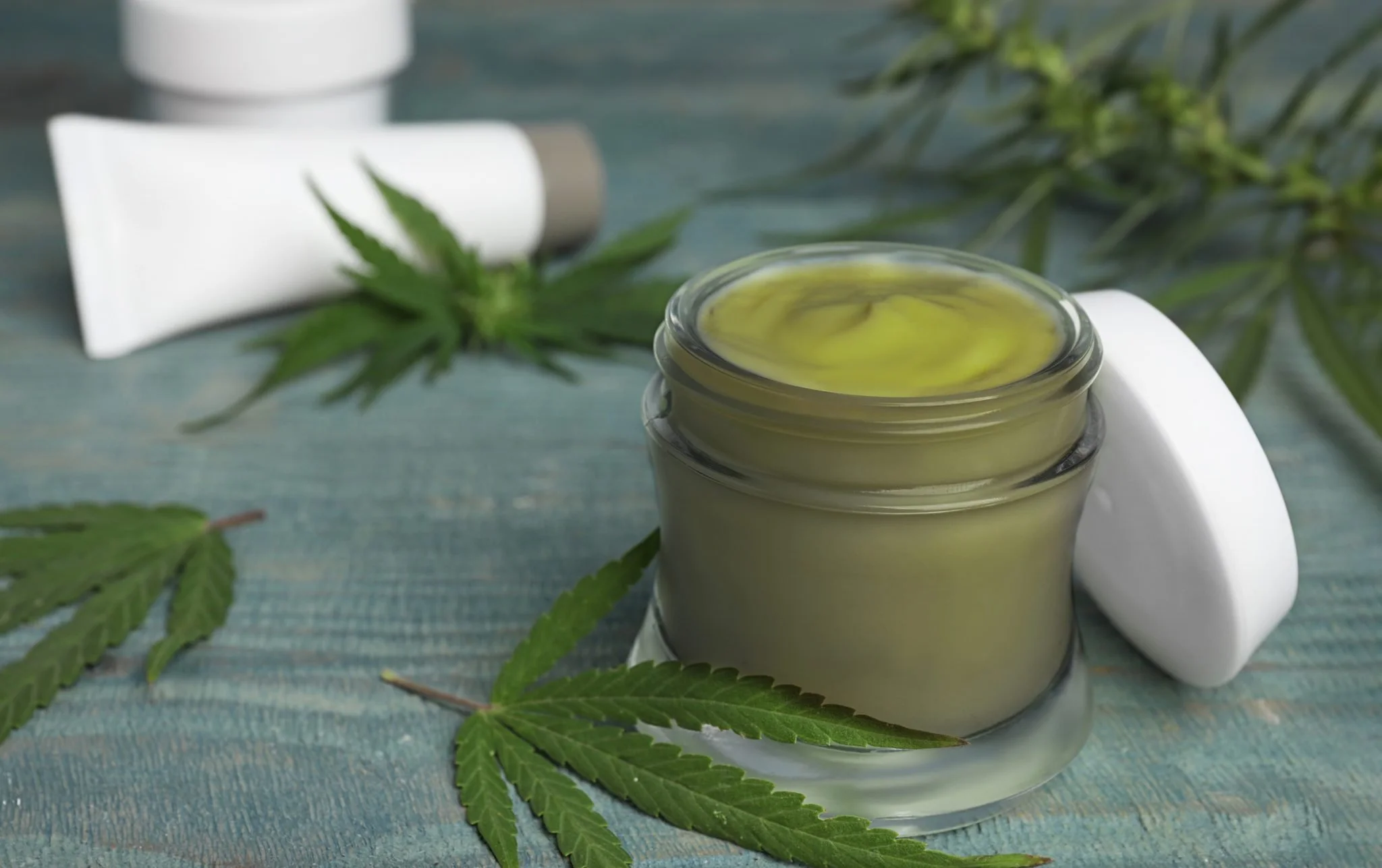
The Healing Power of Cannabis Topicals: Exploring Types & Medicinal Uses
Cannabis topicals have revolutionized the realm of natural medicine, offering a non-intoxicating solution for those seeking relief from different ailments. In this comprehensive guide, we delve into the diverse types of cannabis topicals, their medical applications, and the combined power of CBD and THC
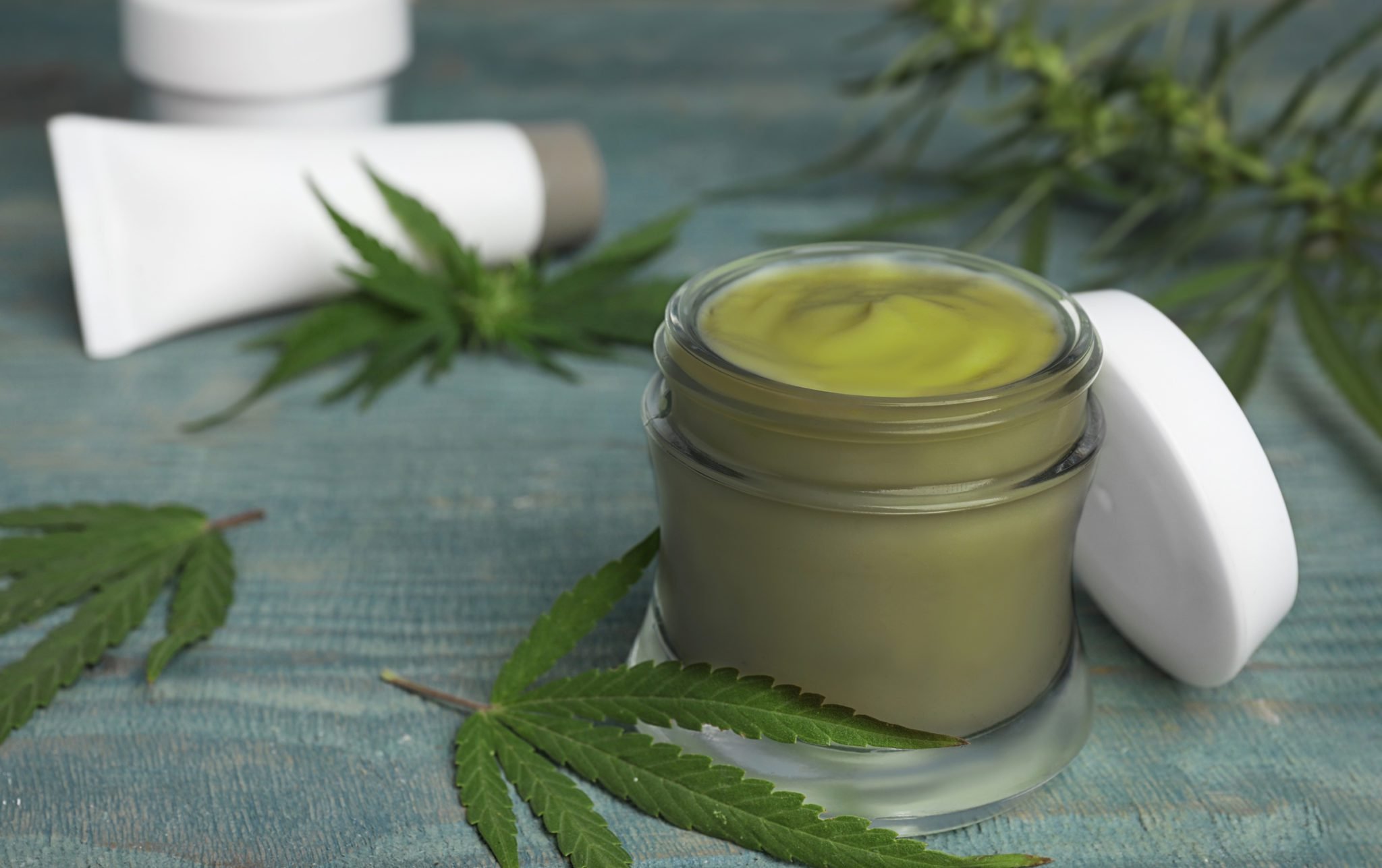
Cannabis topicals have emerged as a popular alternative for individuals seeking relief from various ailments. These products harness the therapeutic potential of cannabinoids like CBD and THC, delivering targeted benefits without inducing psychoactive effects. In this post, we will delve into the world of cannabis topicals, exploring different types, their medical applications, and the combined effectiveness of CBD and THC in treating a wide range of conditions.
Cannabis topicals are non-intoxicating products that are applied directly to the skin, providing localized relief. They come in various forms, such as creams, lotions, balms, and oils. These topicals typically contain cannabinoids like CBD and THC, along with other beneficial compounds such as terpenes and essential oils. The cannabinoids interact with the body's endocannabinoid system, which plays a crucial role in maintaining balance and promoting overall well-being.
Cannabis topicals have demonstrated significant therapeutic potential in treating various medical conditions. Their localized application allows for targeted relief, making them an attractive option for individuals seeking relief without systemic effects. Some common medical uses of cannabis topicals include:
Pain Management: Cannabis topicals are known for their analgesic properties and can provide relief from chronic pain, arthritis, muscle soreness, and inflammation.
Skin Conditions: These topicals can help alleviate symptoms of skin conditions like eczema, psoriasis, dermatitis, and acne due to their anti-inflammatory and soothing properties.
Muscle Relaxation: Cannabis topicals are often used to relieve muscle tension, spasms, and cramps. They can be particularly beneficial for athletes or individuals with physical discomfort.
Neurological Conditions: Topicals infused with CBD and THC have shown promise in managing symptoms associated with conditions like multiple sclerosis, neuropathy, and fibromyalgia.
CBD (cannabidiol) and THC (delta-9-tetrahydrocannabinol) are two primary cannabinoids found in cannabis. While CBD offers numerous therapeutic benefits, THC is responsible for the plant's psychoactive effects. When combined, CBD and THC can work synergistically, enhancing their individual effects. This phenomenon, known as the entourage effect, suggests that the combined presence of cannabinoids, terpenes, and other compounds can lead to more substantial therapeutic outcomes.
Cannabis topicals infused with both CBD and THC have demonstrated effectiveness in treating various ailments. For instance:
Chronic Pain: The combination of CBD and THC has been shown to provide enhanced pain relief, making it useful for individuals with conditions like arthritis, neuropathy, and migraines.
Inflammation: Both CBD and THC possess anti-inflammatory properties, making cannabis topicals effective in reducing swelling and inflammation associated with conditions like tendonitis or bursitis.
Skin Conditions: The anti-inflammatory, antimicrobial, and antioxidant properties of cannabis topicals make them useful in managing skin conditions such as psoriasis, eczema, and acne.
Muscle Spasms and Relaxation: The muscle relaxant properties of THC, combined with CBD's anti-inflammatory effects, can provide relief from muscle spasms, cramps, and tension.
Embracing Authenticity: The End of Color Correcting in the Oregon Cannabis Market
Discover the recent regulatory changes in the Oregon Cannabis market that have made color correcting (CRC) techniques illegal. Explore the reasons behind this shift, its implications for industry stakeholders, and alternative methods to ensure product quality and consumer satisfaction.

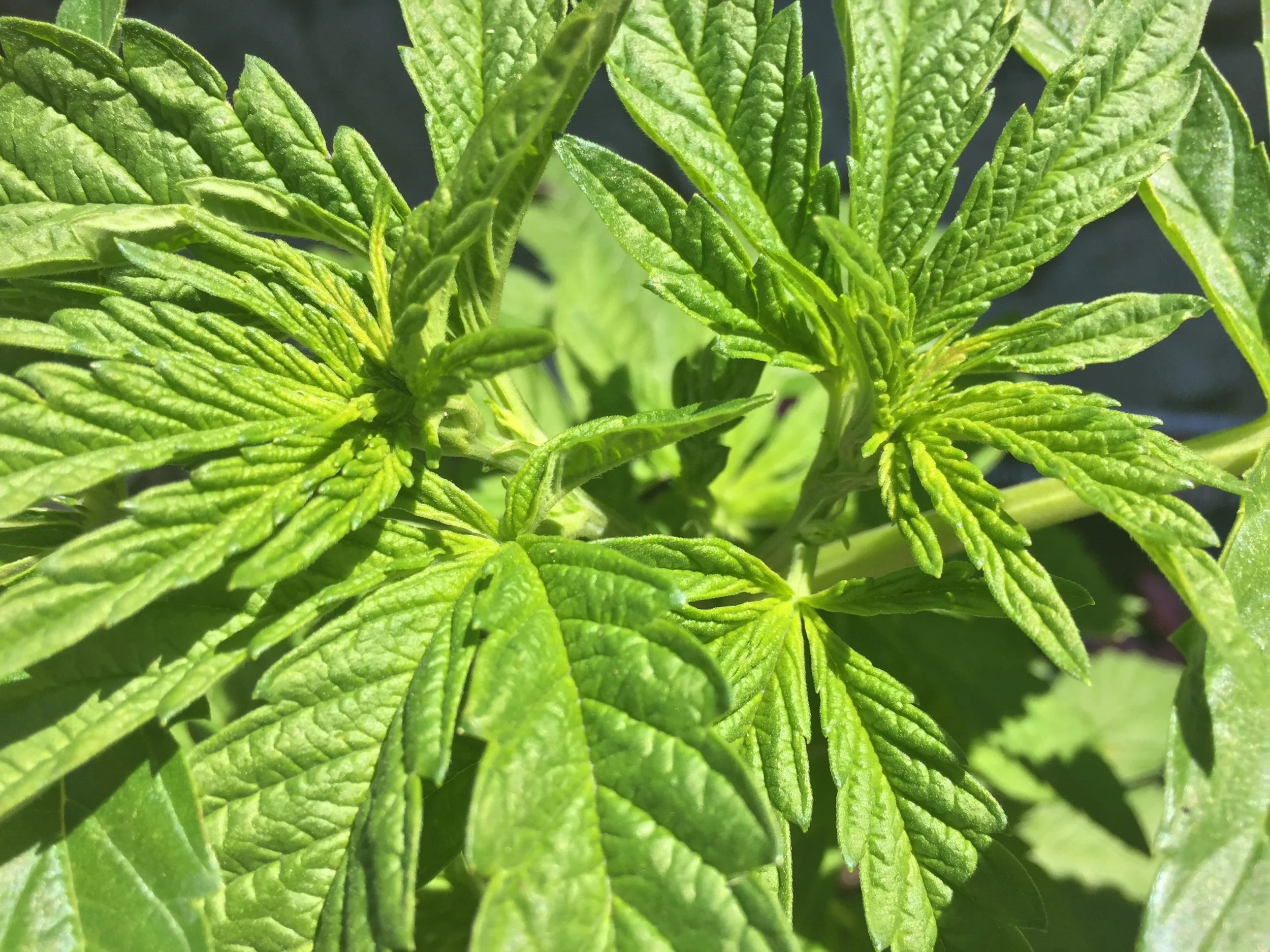
In the ever-evolving world of the cannabis industry, color correction (CRC) has traditionally been employed to enhance the appearance of cannabis flowers. However, recent developments in the Oregon Cannabis market have resulted in CRC becoming illegal. In this blog post, we will explore the reasons behind this regulatory change, the implications it has for the industry, and shed light on alternative approaches to ensuring product quality and consumer satisfaction.
Understanding Color Correcting in Cannabis: Color correction refers to the process of manipulating the color of cannabis flowers to improve their visual appeal. It typically involves using chemicals and techniques to restore or enhance natural hues, providing a more visually appealing product.
Regulatory Shift in Oregon Cannabis Market: In Oregon, recent regulatory changes have rendered CRC illegal due to concerns regarding consumer safety and product integrity. The state's governing bodies, in their efforts to prioritize transparency and consumer trust, have implemented stricter guidelines, including the prohibition of color correction techniques.
Implications for the Industry: The prohibition of CRC in the Oregon Cannabis market carries significant implications for cultivators, processors, and consumers alike. Cultivators must now focus on optimizing cultivation practices to naturally produce high-quality cannabis flowers with appealing colors. Processors, on the other hand, need to invest in alternative methods to maintain product quality without relying on color correction techniques.
Alternative Approaches to Quality Assurance:
Strain Selection: Choosing high-quality cannabis strains with desirable colors and robust genetic traits can significantly impact the final product's appearance. Careful strain selection can yield visually appealing flowers without the need for color correction.
Cultivation Techniques: Implementing proper cultivation techniques, such as optimizing lighting conditions, temperature, humidity, and nutrient profiles, can promote healthy plant growth and vibrant color development.
Post-Harvest Care: Emphasizing meticulous post-harvest care, including proper drying and curing processes, can help retain the natural colors and preserve the visual appeal of cannabis flowers.
Education and Transparency: Educating consumers about the natural variations in cannabis colors and highlighting the importance of quality cultivation practices can foster a deeper understanding and appreciation for the diverse range of natural hues found in the plant.
The prohibition of color correcting techniques in the Oregon Cannabis market reflects a shift towards increased transparency and consumer-centric regulations. While this change may present challenges for cultivators and processors, it opens doors for alternative approaches to ensure product quality and consumer satisfaction. By focusing on strain selection, cultivation techniques, post-harvest care, and promoting education and transparency, the industry can adapt and thrive while prioritizing the integrity and natural beauty of cannabis flowers.
Understanding CBN and Its Medical Benefits
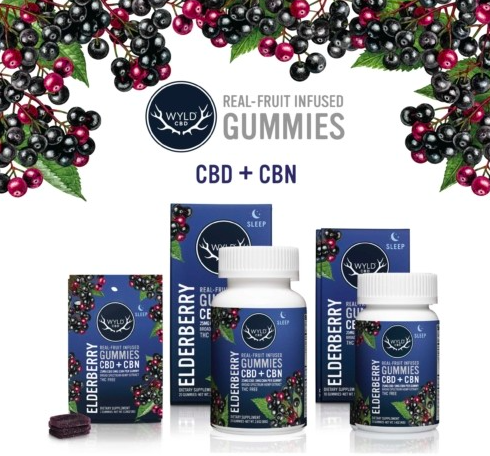
CBN, or Cannabinol, is a promising compound that has been gaining attention in the medical community for its potential health benefits. This cannabinoid, which is found in the cannabis plant, has been shown to promote sleep, reduce inflammation, and stimulate appetite.
If you've heard someone call CBN the "sleepy cannabinoid," there's a reason — it's the compound most associated with sedation and deep relaxation. But CBN is more nuanced than its reputation suggests. Here's what it actually does, how it compares to CBD and THC, and what products to look for.
What Is CBN?
CBN — cannabinol — is a minor cannabinoid found in cannabis. Unlike THC and CBD, which the plant produces directly, CBN forms when THC degrades over time through exposure to heat, light, and oxygen. Older cannabis that's been sitting on a shelf tends to have higher CBN content, which is why aged flower has a reputation for making people sleepy.
CBN is present in most cannabis in very small amounts — typically under 1%. To get meaningful doses, manufacturers extract and concentrate it into dedicated products like tinctures, capsules, and infused edibles.
How CBN Compares to the Major Cannabinoids
CBN
Mildly psychoactive
Sedating
Sleep & relaxation
Formed from aged THC
CBD
Non-psychoactive
Calming
Anxiety & inflammation
Produced by the plant
THC
Psychoactive
Euphoric
Pain & appetite
Produced by the plant
CBN sits between CBD and THC in terms of psychoactivity. On its own, it's very mildly intoxicating — most people don't feel "high" from CBN alone. But combined with THC, research suggests CBN may amplify THC's sedative effects, which is why CBN+THC edibles are popular as nighttime products.
What Does CBN Actually Do?
Sleep support — CBN's most well-known use. Many consumers report faster onset of sleep and fewer nighttime wake-ups when using CBN products before bed. The scientific evidence is still limited (mostly animal studies and anecdotal reports), but the consumer demand is real.
Physical relaxation — CBN may help with general body tension and discomfort. When paired with THC, users often describe a heavy, full-body calm that's distinct from CBD's lighter relaxation.
Appetite stimulation — Early research in animals suggests CBN may stimulate appetite, potentially making it useful for consumers who struggle with eating.
Note: CBN research is still in early stages. These are reported effects, not medical claims. Consult a healthcare professional before using cannabinoids for any health condition.
Where to Find CBN Products in Eugene
Most dispensaries carry a few CBN options. At Green Health Eugene, we prioritize keeping CBN products consistently in stock because our customers rely on them for their nightly routine. You'll find CBN in:
Wyld CBD+CBN gummies are one of our most popular sleep-focused products. Ask your budtender what CBN options are on the shelf today — availability rotates with new drops from Oregon producers.
All edibles, tinctures, and topicals are 15% off every Wednesday. CBN tinctures also qualify for the Sunday topicals and tinctures discount.
Browse edibles menu Browse topicals & tincturesHow to Use CBN for Sleep
Start low — if you're new to CBN, begin with 5–10mg about 30–60 minutes before bed. CBN edibles take time to kick in, just like any other edible.
Combine with THC for stronger sedation — a CBN+THC edible will typically produce deeper relaxation than CBN alone. Many nighttime gummies are formulated with both for this reason.
Tinctures hit faster — sublingual tinctures (held under the tongue for 60 seconds) can take effect in 15–30 minutes, compared to 45–90 minutes for edibles. Better option if you need help falling asleep quickly.
Be consistent — some consumers report that CBN works better after a few nights of regular use. Give it a week before deciding it doesn't work for you.
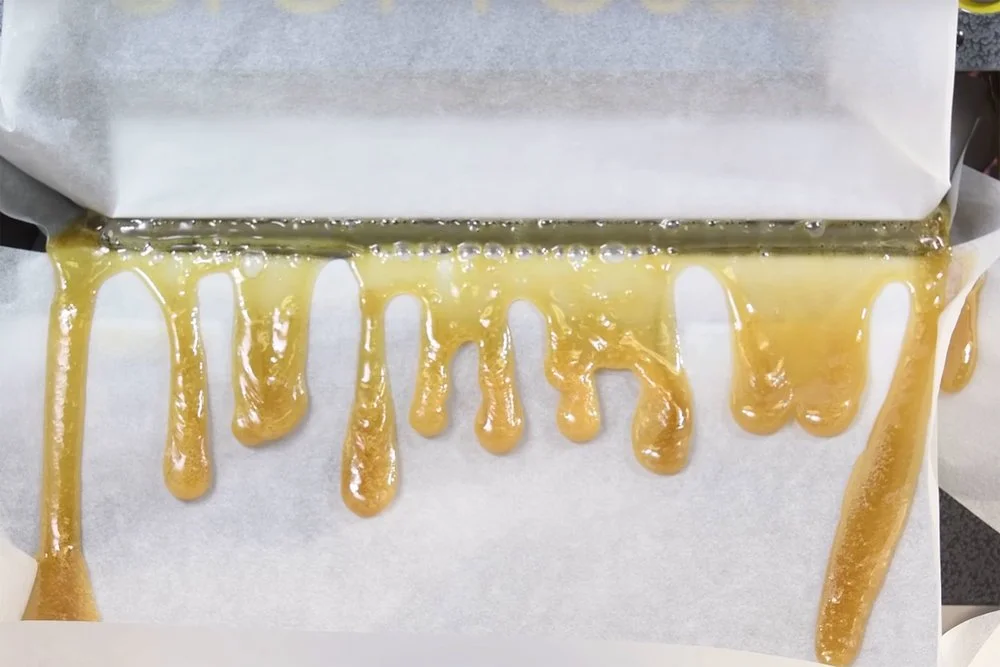
Cannabis Rosin: A Safe and Flavorful Concentrate
Cannabis rosin is a solventless extraction method that uses heat and pressure to extract resin from cannabis flowers, resulting in a potent and flavorful product. In this article, we will explore what cannabis rosin is, how it is made, and its benefits. We will also compare it to other popular extraction methods like BHO and discuss rosin cartridges.
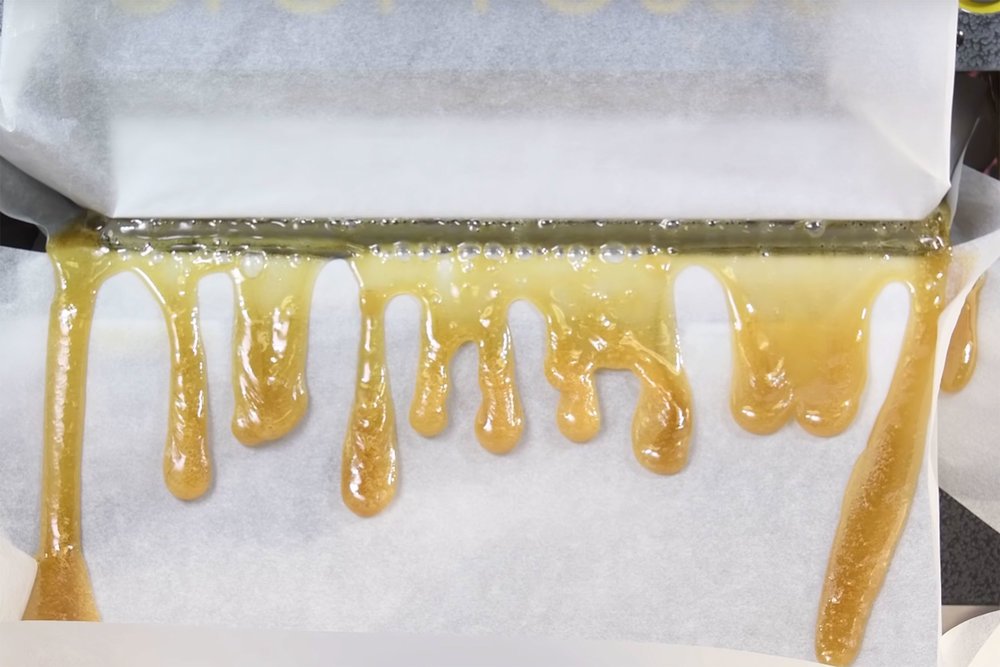
Cannabis Rosin: A Beginner's Guide
Cannabis Rosin is a relatively new form of cannabis extract that has gained popularity in recent years. It is a solventless extraction method that uses heat and pressure to extract resin from cannabis flowers, resulting in a potent and flavorful product. In this article, we will explore what cannabis rosin is, how it is made, and its benefits. We will also compare it to other popular extraction methods like BHO and discuss rosin cartridges.
What is Cannabis Rosin?
Cannabis rosin is a cannabis concentrate made by applying heat and pressure to cannabis flowers. The process involves placing the flowers between two heated plates and applying pressure, which causes the resin glands to burst and release their contents. The resulting resin is then collected and pressed into a concentrate that can be dabbed or vaporized. Currently, the more popular method in the marketplace involves pressing Live Cannabis bubble hash, which results in a higher percentage return per volume.
The advantage of cannabis rosin is that it does not require the use of solvents, making it a safer and more natural extraction method. It also preserves the flavor and aroma of the original plant material, resulting in a more flavorful and enjoyable product.
How is Cannabis Rosin Made?
The process of making cannabis rosin is relatively simple and can be done at home with the right equipment. To make rosin, you will need a rosin press, which is a device that applies heat and pressure to cannabis flowers. You will also need parchment paper, which is used to collect the resin, and a collection tool, which is used to scrape the resin off the paper.
To make cannabis rosin, you first need to select high-quality cannabis flowers. The better the quality of the flowers, the better the resulting rosin will be. Once you have selected your flowers, you need to grind them up and place them between two pieces of parchment paper. You then place the parchment paper and flowers in the rosin press and apply heat and pressure. To make this easier, manufacturers use micron bags to contain the flower being pressed from moving.
The ideal temperature and pressure for making cannabis rosin vary depending on the type of flower and the rosin press used. However, a general rule of thumb is to use a temperature between 180-220°F and a pressure of 1000-1500 psi.
Once the rosin has been extracted, you can collect it by scraping it off the parchment paper using a collection tool. You can then store the rosin in an airtight container and enjoy it as desired.
Cannabis Rosin vs. BHO
BHO (butane hash oil) is another popular cannabis extraction method that uses a solvent to extract resin from cannabis flowers. While BHO can produce high-quality concentrates, it also poses safety risks as it involves using flammable solvents like butane. BHO also tends to remove more of the plant's flavor and aroma, resulting in a less flavorful and enjoyable product.
Cannabis rosin, on the other hand, is a safer and more natural extraction method that preserves the plant's flavor and aroma. It also produces a more potent (cannabinoids wise) concentrate as it does not involve the use of solvents.
Rosin Cartridges
Rosin cartridges are pre-filled vape cartridges that contain cannabis rosin. They are a convenient and discreet way to enjoy the benefits of cannabis rosin without the need for a dab rig or other specialized equipment. Rosin cartridges are typically made using high-quality rosin and are available in a variety of strains and flavors.
Conclusion
Cannabis rosin is a safe, natural, and potent cannabis concentrate that has gained popularity in recent years. It is a solventless extraction method that uses heat and pressure to extract resin from cannabis flowers, resulting in a flavorful and enjoyable product. Rosin cartridges are a convenient and discreet way to enjoy cannabis rosin, while also preserving the plant's flavor and aroma.
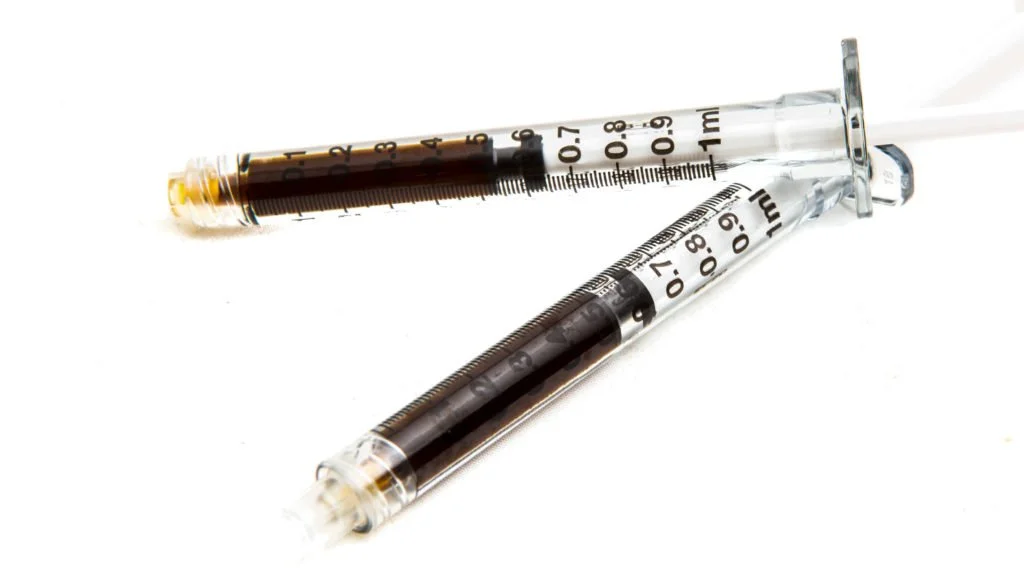
RSO vs FECO: Understanding the Differences and Benefits
Both RSO and FECO are typically consumed orally by swallowing the oil directly or mixing it with food or drink. They are used to treat various medical conditions such as chronic pain, inflammation, anxiety, depression, and potentially certain types of cancer. However, it is important to consult with a doctor before using RSO or FECO to ensure their safety and suitability for your specific needs.
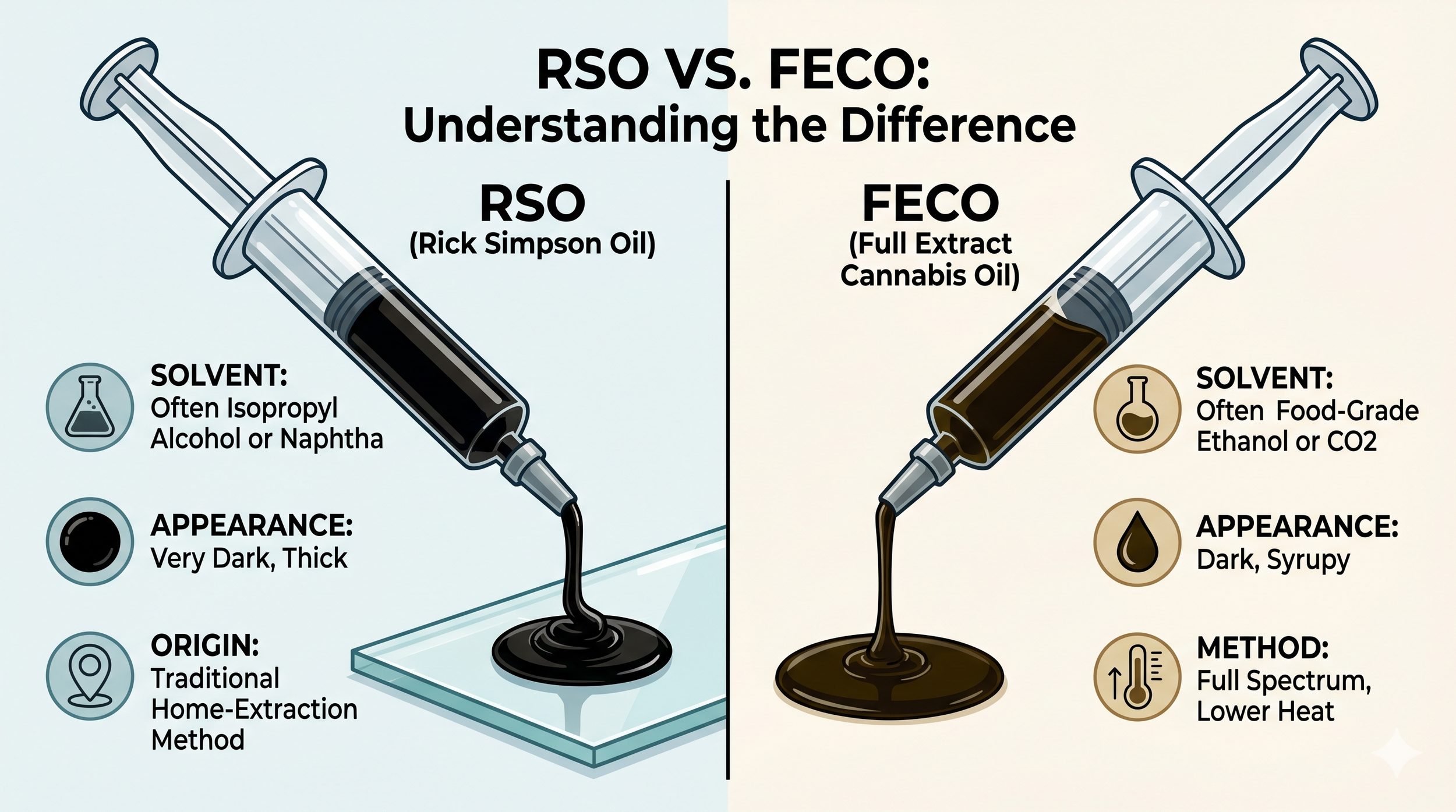
RSO vs FECO: What's the Difference? | Green Health Eugene
If you’ve been browsing our menu on Highway 99 and wondering about the difference between RSO (Rick Simpson Oil) and FECO (Full Extract Cannabis Oil), you are not alone. These are two of the most potent, medicinal-grade concentrates on the market, yet they are often confused.
For our medical patients and recreational customers in West Eugene looking for serious relief from chronic pain, insomnia, or inflammation, understanding this difference is key. While both are full-spectrum, whole-plant extracts, the way they are made—and how you should take them—varies.
Quick Comparison: RSO vs. FECO
Solvent Used
RSO: Traditionally made with Isopropyl Alcohol or Naphtha.
FECO: Made with Food-Grade Grain Alcohol (Ethanol) or CO2.
Color & Texture
RSO: Dark, thick, tar-like black oil.
FECO: Lighter, amber-to-dark oil; often stickier but smoother.
Flavor Profile
RSO: Strong, bitter, plant-heavy (chlorophyll taste).
FECO: Earthy but generally cleaner and less bitter than RSO.
Best Used For
RSO: Heavy sedation, cancer symptom management, deep sleep.
FECO: Daily medical use, oral dosing, sensitive stomachs.
Can You Smoke It?
RSO:NO. (Contains plant fats/lipids—harsh on lungs).
FECO:NO. (Edible/Topical use only).
From the Counter: The Budtender’s Take
"I always tell people: treat these oils with respect. They are not like eating a 10mg gummy. RSO and FECO are 'whole plant' medicine, so you get all the heavy, sedative effects of the plant fats and waxes. Start with a tiny drop—literally the size of a half-grain of rice. You can always take more, but you can't take less!" — Jed, Green Health Team
What is RSO (Rick Simpson Oil)?
Named after the Canadian medical cannabis activist Rick Simpson, RSO is the original heavy-hitter concentrate. Simpson created it to treat his own skin cancer, and it gained a cult following for its reported anti-inflammatory and sedative properties.
How it’s made: Whole cannabis flowers are soaked in a strong solvent (like isopropyl alcohol) to strip the cannabinoids. The solvent is then boiled off, leaving behind a thick, black, tar-like oil.
The Vibe: RSO is famously unrefined. It retains a lot of chlorophyll and plant waxes, giving it a bitter taste but a "heavy" body feel that many chronic pain patients prefer.
What is FECO (Full Extract Cannabis Oil)?
FECO is the modern evolution of RSO. The goal is the same—a potent, full-spectrum oil—but the method is often gentler.
How it’s made: FECO is typically extracted using food-grade grain alcohol (Ethanol) or CO2. Because these solvents are safer for human consumption than isopropyl alcohol, many medical patients prefer FECO for daily oral use.
The Vibe: FECO often retains more of the original terpenes and flavor of the strain, offering a slightly cleaner experience while still delivering that "whole plant" potency.
How to Dose RSO & FECO (The "Rice Grain" Rule)
Because these oils can test upwards of 70-80% THC, dosing is critical.
Squeeze a tiny amount onto a cracker, piece of chocolate, or hard candy.
Size Matters: Aim for a dose the size of a grain of rice (approx. 25-50mg). If you are new to extracts, start with half a grain of rice.
Wait: Like any edible, it can take 90 minutes to 2 hours to kick in.
WARNING: Do not dab or smoke RSO or FECO. These oils contain plant lipids, fats, and chlorophyll that are safe to eat but can be harsh and harmful to your lungs if vaporized.
The Entourage Effect: Why Full-Spectrum Matters
Both RSO and FECO are full-spectrum extracts, meaning they contain the complete range of cannabinoids (THC, CBD, CBN, CBG, CBC), terpenes, flavonoids, and plant waxes found in the original flower. This is important because these compounds work together in what researchers call the entourage effect — a synergy where the combined action of all compounds produces stronger therapeutic results than any single cannabinoid alone.
This is why a 70% THC RSO syringe often feels more sedative and "body-heavy" than a 90% THC distillate cartridge. The distillate has been stripped of everything except THC, while the RSO retains the full plant profile that drives deeper relief.
Does FECO or RSO Get You Stoned?
Yes — both RSO and FECO are extremely psychoactive. A single syringe can contain 600–800 mg of THC, which is the equivalent of 60–80 standard edible doses. Even a grain-of-rice-sized serving delivers roughly 25–50 mg of THC, which is 2.5–5× the standard Oregon recreational dose of 10 mg.
The "high" from RSO and FECO feels different from smoking flower or eating a gummy. Because these are full-spectrum oils with high concentrations of plant waxes, CBN, and myrcene-heavy terpenes, the effect is typically:
- Heavy body sedation within 60–120 minutes
- Pronounced couch-lock and drowsiness
- Deep, uninterrupted sleep (the most common medical use)
- Strong appetite stimulation
FECO tends to feel slightly "cleaner" than RSO because the ethanol extraction preserves more terpene diversity, but both will absolutely produce strong psychoactive effects. Do not drive or operate machinery after taking either product.
Is RSO Stronger Than Other Concentrates?
It depends on what you mean by "stronger." In terms of raw THC percentage, RSO (60–80% THC) is actually lower than live resin (70–90%), shatter (80–95%), or distillate (85–99%). But in terms of felt intensity and duration, RSO and FECO often hit harder because:
- They are eaten, not smoked — oral THC converts to 11-hydroxy-THC in the liver, which crosses the blood-brain barrier more efficiently and lasts 4–8 hours instead of 1–2
- The full-spectrum plant profile amplifies the entourage effect
- Plant waxes and fats slow absorption, creating a longer, deeper experience
So while a dab of live resin might test higher on paper, a rice-grain of RSO taken orally will usually produce a longer, more sedative experience. For chronic pain patients, this sustained release is exactly the point.
Solvent Safety: Why Extraction Method Matters
This is where RSO and FECO diverge most sharply, and it is the single most important factor for medical patients choosing between them.
RSO (Isopropyl Alcohol / Naphtha)
Rick Simpson's original method calls for soaking cannabis in isopropyl alcohol (IPA) or naphtha — industrial solvents that are effective at stripping cannabinoids but are not food-grade. If the purge process is incomplete, trace amounts of these solvents can remain in the final oil. In Oregon, OLCC-licensed producers must test for residual solvents, but traditionally made RSO (especially out-of-state or homemade) may not meet these standards.
FECO (Ethanol / CO₂)
FECO is extracted using food-grade grain alcohol (ethanol) or supercritical CO₂. Both solvents are recognized as safe for human consumption by the FDA. Ethanol extraction also preserves a broader terpene profile because it can be performed at lower temperatures, reducing heat degradation.
⚠ Safety Warning: Never attempt to make RSO or FECO at home. Both isopropyl alcohol and ethanol are highly flammable. Home extraction has caused fires, explosions, and serious injuries. Always purchase lab-tested products from a licensed Oregon dispensary.
When to Choose RSO vs. FECO
Choose RSO If You:
- Need maximum THC for severe pain or cancer symptom management
- Prefer a heavy sedative effect for deep sleep
- Have experience with high-dose edibles and know your tolerance
- Are following a specific RSO protocol (e.g., the "Rick Simpson Protocol")
Choose FECO If You:
- Want a cleaner extraction method with food-safe solvents
- Prefer a balanced cannabinoid profile (CBD + THC ratios available)
- Are using cannabis for daily medical maintenance (inflammation, anxiety, appetite)
- Have a sensitive stomach or are new to concentrated cannabis
Storage and Shelf Life
Both RSO and FECO are shelf-stable oils, but proper storage extends potency and prevents degradation:
- Store in a cool, dark place — a medicine cabinet or refrigerator is ideal
- Keep the syringe capped — oxygen exposure degrades THC over time
- Avoid heat — do not leave in a car or near a window
- Shelf life: 6–12 months at room temperature, 12–18 months refrigerated
If the oil develops an off smell, changes color dramatically, or becomes grainy, it may be past its prime. Expired RSO/FECO is not dangerous but will be less potent.
Oregon Pricing: What to Expect in 2026
RSO and FECO syringes in Oregon typically range from $15–$40 per gram depending on the brand, cannabinoid ratio, and extraction method. At Green Health Eugene, we carry options across that range, including Siskiyou Sungrown RSO in THC, CBD, and 1:1 ratios. On Tuesdays and Saturdays, all extracts, carts, and concentrates are 15% off — making it the best day to stock up on RSO or FECO.
Local Pairings: The "West Eugene" Wellness Routine
Since RSO and FECO are often used for deep relaxation or pain relief, we recommend low-energy, high-comfort pairings near our Highway 99 dispensary.
The Nature Walk: Once your dose settles in, head to the West Eugene Wetlands (just a few minutes from the shop). The flat, paved paths are perfect for a gentle walk to get some fresh air without strenuous hiking.
The Munchies: You will get hungry. We recommend stopping by Burrito Amigos (also on Hwy 99 N) for a heavy, comfort-food burrito that hits the spot perfectly after a sedative session.
Location: Hwy 99 N, Eugene.
Stop by the shop — Hours, Deals & Directions — 607 Hwy 99 N, Eugene — open daily 9 AM–9 PM with Visa and Mastercard accepted.
Where to Find RSO & FECO in Eugene
At Green Health Eugene, we carry top Oregon brands known for their clean extraction methods, such as Om Extracts, Siskiyou Sungrown, and Farmer's Friend Extracts.Check Our Menu: See what’s in stock on our Live Menu Here.
Ask Questions: Not sure which one is right for your pain level? Ask Jed or any of our staff when you stop by.
(Disclaimer: This article is for educational purposes only. Cannabis is not a substitute for professional medical advice. Do not operate a vehicle or machinery under the influence of this drug. For use only by adults twenty-one years of age and older. Keep out of the reach of children.)
Frequently Asked Questions
What is the difference between RSO and FECO?
The main difference is the extraction solvent. RSO (Rick Simpson Oil) is traditionally made with isopropyl alcohol or naphtha, while FECO (Full Extract Cannabis Oil) is made with food-grade grain alcohol (ethanol) or CO₂. FECO is generally considered safer for oral consumption because ethanol is an FDA-recognized food-safe solvent. Both produce full-spectrum, highly potent cannabis oil.
Does FECO get you stoned?
Yes. FECO is extremely potent — a single gram syringe can contain 600–800 mg of THC, which is the equivalent of 60–80 standard edible doses. Even a grain-of-rice-sized serving (25–50 mg) will produce strong psychoactive effects including body sedation, drowsiness, and appetite stimulation. FECO tends to feel slightly "cleaner" than RSO due to its terpene-preserving extraction, but it is absolutely psychoactive.
Is RSO stronger than other concentrates?
In raw THC percentage, RSO (60–80%) is actually lower than live resin, shatter, or distillate. However, RSO often feels stronger because it is taken orally — the liver converts THC to 11-hydroxy-THC, which crosses the blood-brain barrier more efficiently and lasts 4–8 hours instead of 1–2. Combined with the full-spectrum entourage effect, a rice-grain of RSO typically produces a longer, more sedative experience than smoking higher-THC concentrates.
Is there anything stronger than RSO?
In terms of sustained intensity, RSO and FECO are among the strongest cannabis products available. Distillate tests higher in THC percentage (85–99%) but lacks the full-spectrum plant profile that makes RSO hit so hard. THCA diamonds (95%+) are the most potent single-cannabinoid product, but they are dabbed rather than eaten. For oral, full-body, long-duration effects, RSO and FECO remain the most powerful option.
Does RSO get you more stoned than FECO?
Not necessarily. Both contain similar THC levels (60–80%). RSO may feel heavier due to higher chlorophyll and plant wax content, which some patients describe as a more "body-forward" sedation. FECO's ethanol extraction preserves more terpenes, which can produce a more balanced, nuanced effect. The perceived difference is subtle — strain selection and THC/CBD ratio matter more than the extraction method.
Can I smoke or dab RSO or FECO?
No. You should not smoke or dab RSO or FECO. These oils contain plant waxes, fats, and chlorophyll that are safe to eat but can be harsh and harmful to your lungs when vaporized. They are designed for oral dosing (on food or under the tongue) or topical application only. If you want to dab, choose a concentrate made specifically for inhalation, like live resin, badder, or rosin.
How much RSO or FECO should I take?
Start with a dose the size of a grain of rice — approximately 25–50 mg of THC. If you are new to cannabis concentrates, start with half a grain of rice. Place it on a cracker, piece of chocolate, or under your tongue. Wait at least 90 minutes to 2 hours before taking more. RSO and FECO are extremely potent, and overconsumption can cause anxiety, dizziness, or prolonged sedation.
Where can I buy RSO and FECO in Eugene, Oregon?
Green Health Eugene carries RSO and FECO on our concentrates shelf, including Siskiyou Sungrown RSO in THC, CBD, and 1:1 ratios, plus FECO options from Om Extracts and Farmer's Friend Extracts. We are located at 607 Highway 99 N in Eugene, open daily 9 AM – 9 PM. We accept Visa and Mastercard with no fee — the only Eugene dispensary that does. Extracts are 15% off every Tuesday and Saturday.
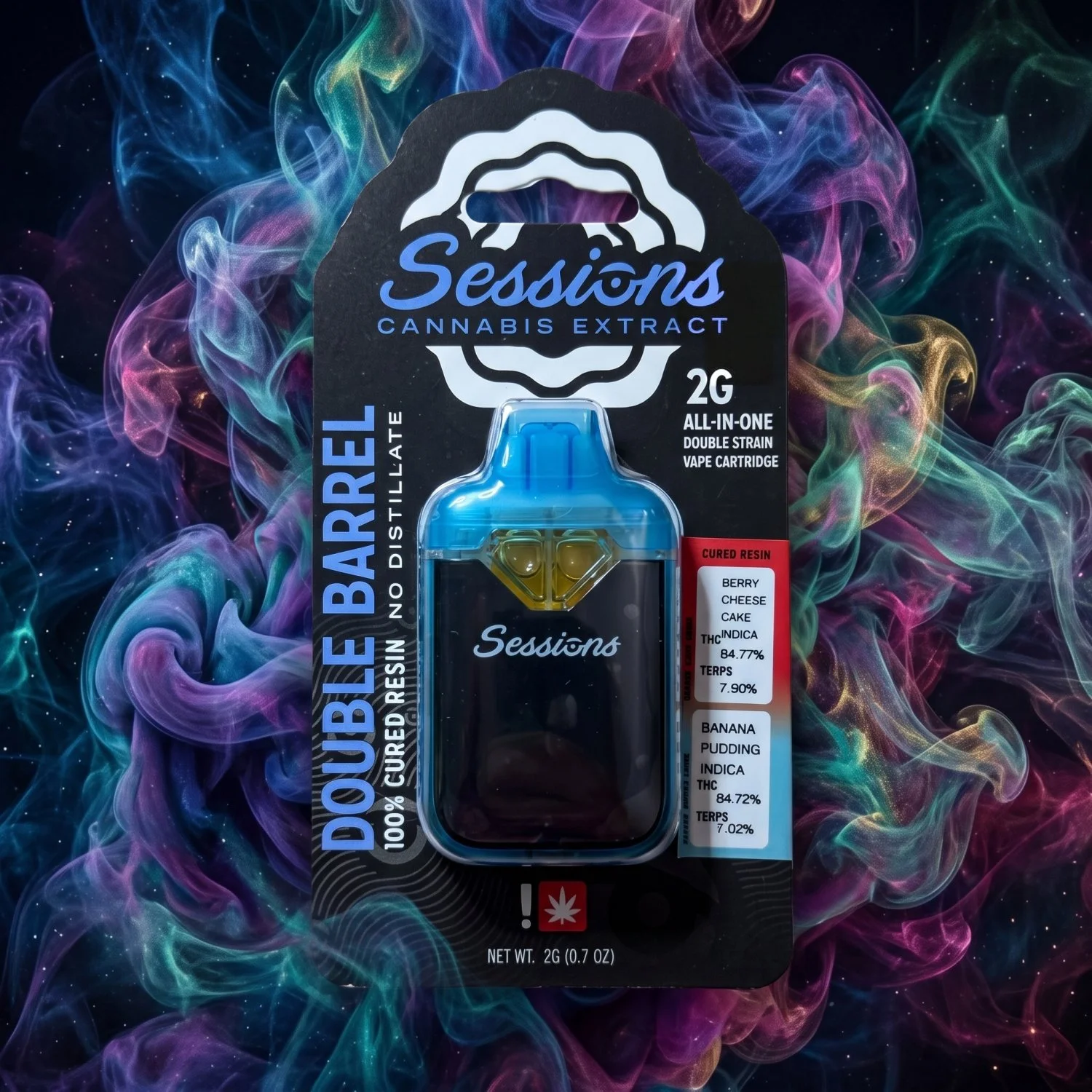
Shop Green Health Eugene
Visa & Mastercard with no fee · Daily deals · Open 9 AM – 9 PM · 607 Hwy 99 N
Store Hours, Deals & Directions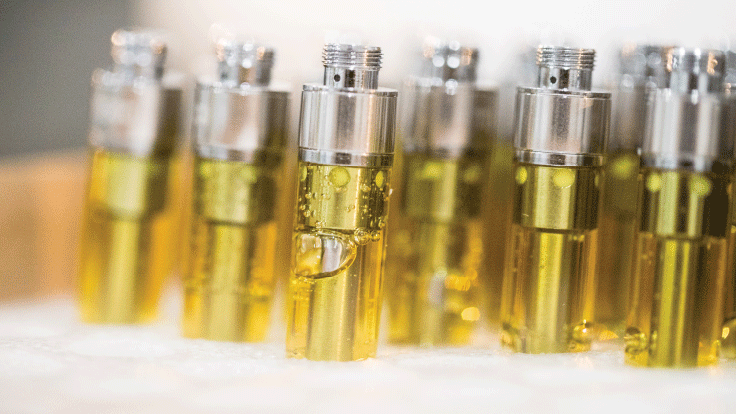
Ultimate Guide to Marijuana Cartridges: Need to Knows
Marijuana cartridges, also known as vape cartridges, have gained popularity in states where cannabis is legalized for medical and recreational purposes. These cartridges offer a convenient and discreet method of consuming marijuana without the need for smoking.
Typically, cannabis cartridges contain concentrated THC or CBD oil that is vaporized and inhaled using a vape pen or vaporizer device. They come in various flavors and strains, allowing users to find a cartridge that aligns with their taste preferences and desired effects.

Marijuana cartridges have become increasingly popular in states where cannabis has been legalized for both medical and recreational purposes. These cartridges, also known as vape cartridges, are a convenient and discreet way to consume marijuana without the need for smoking.
Cannabis cartridges typically contain a concentrated form of THC or CBD oil, which is then vaporized and inhaled through a vape pen or vaporizer device. They are available in a variety of flavors and strains, making it easy to find a cartridge that suits your taste preferences and desired effects.
It is important to note that not all legal marijuana cartridges are created equal. When purchasing cartridges, it is essential to ensure that they have been tested and approved by a third-party lab for quality and purity. This can help ensure that the product you are consuming is free of harmful additives or contaminants.
Additionally, it is important to follow proper usage and storage guidelines when using marijuana cartridges. Cartridges should be kept in a cool, dry place and should not be left in direct sunlight or high temperatures, as this can degrade the quality of the oil. It is also important to use a properly calibrated device to avoid overheating the cartridge and potentially causing harmful chemical reactions.
Overall, Marijuana cartridges can be a convenient and enjoyable way to consume cannabis, but it is important to do your research and purchase high-quality products from reputable sources. By following proper usage and storage guidelines, you can ensure a safe and enjoyable experience.
21+ Only
Are you 21 years of age or older?